A First Canoe Trip in Ontario: Questions to Answer Before You Launch
Interior canoe tripping is one of the great Canadian experiences. These are the questions worth answering before your first night out.
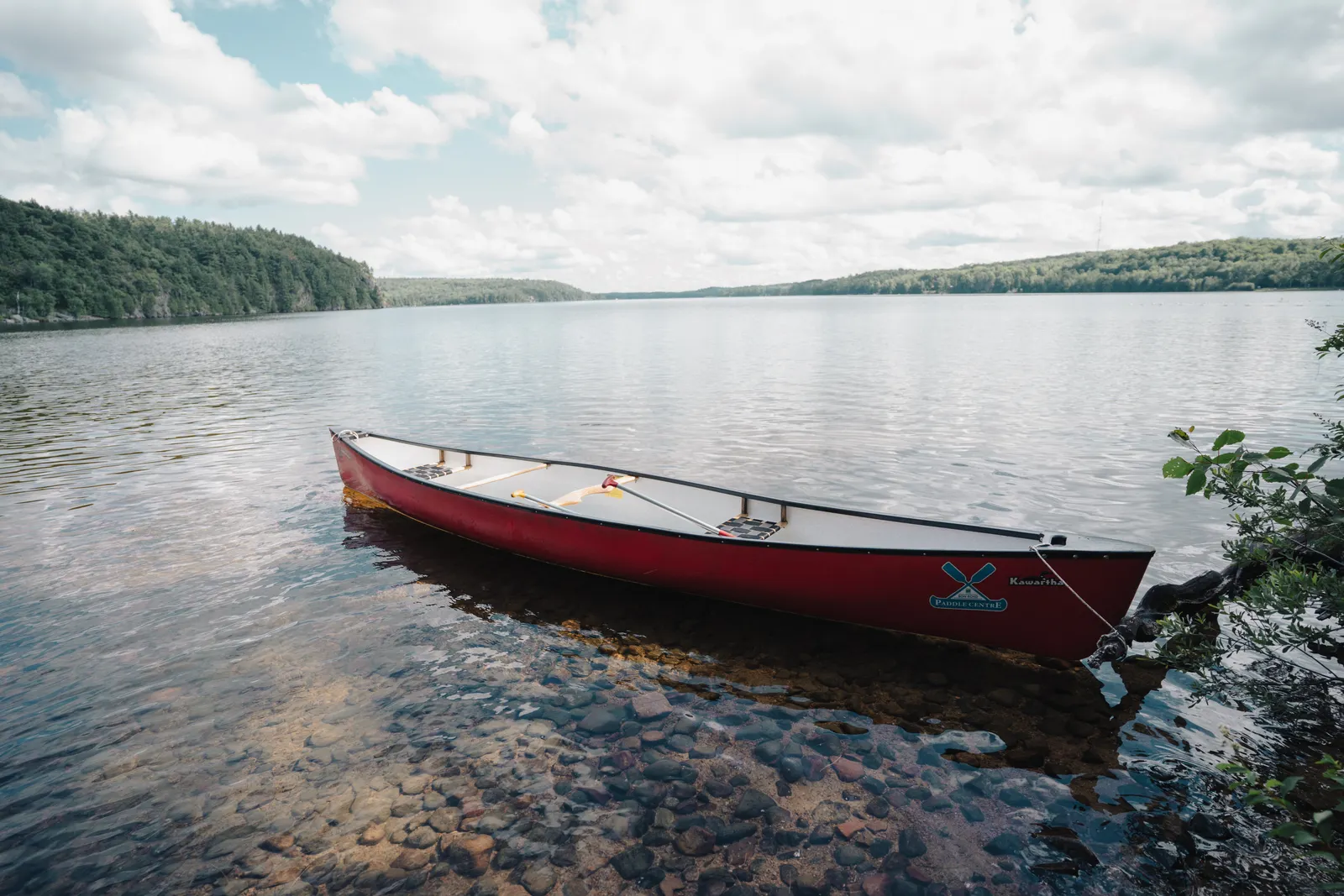
Paddling away from the road, carrying your canoe between lakes and setting up camp on a granite point is a rite of passage for many Canadians. A first trip does not need to be long or ambitious. It does need to be well thought through.
How far is realistic?
New paddlers often overestimate distance. A relaxed pace on calm water might be 3–4 km per hour, and wind can cut that dramatically. For a first trip, plan short travel days with time to rest, swim and set up camp in daylight.
How long — and how many — are the portages?
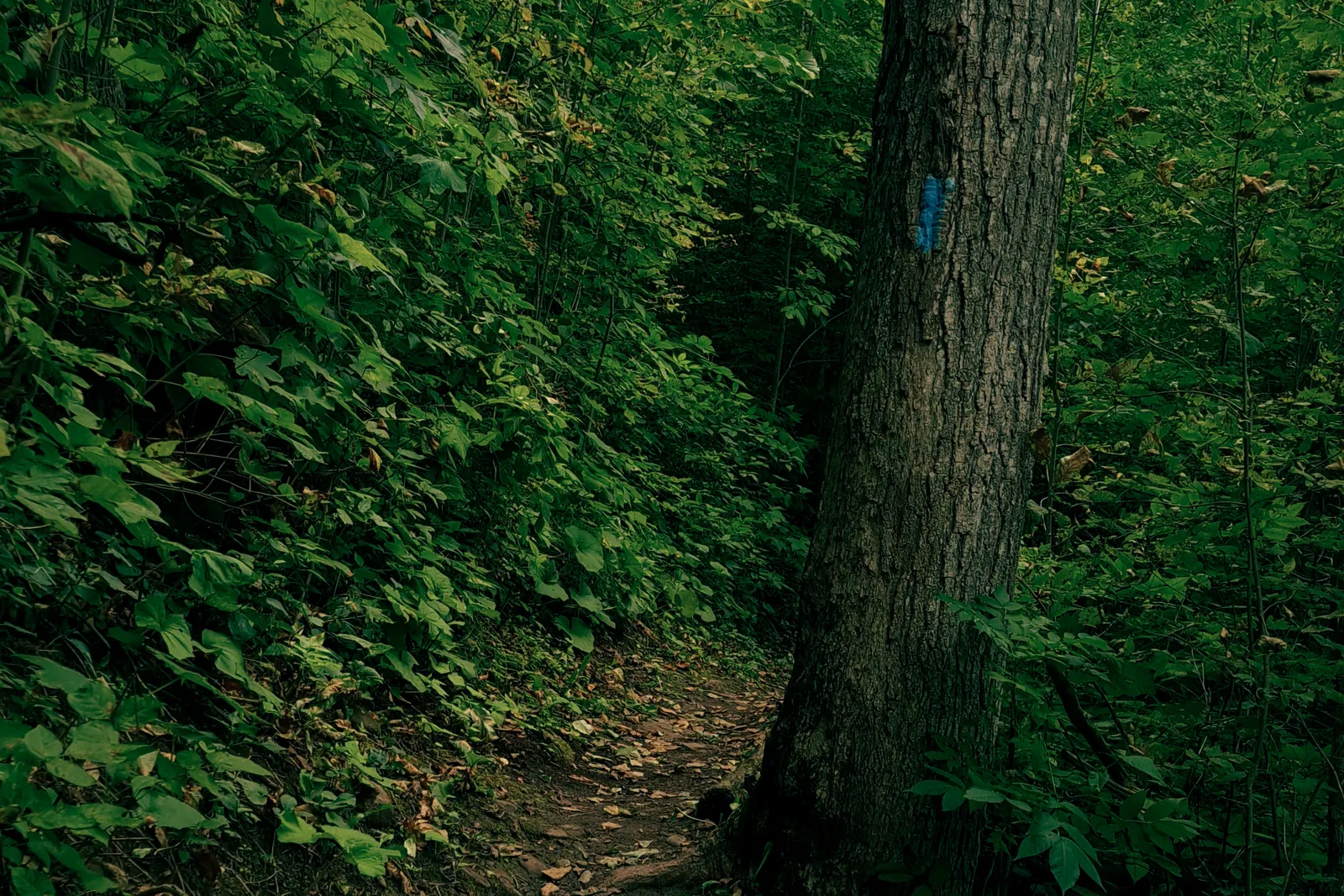
A portage is the trail between bodies of water. Portage length is often listed in metres. A first route with a few short portages is far more enjoyable than one long carry. Remember that you may need to walk each portage more than once to move all your gear.
Have you booked the right permits?
Interior camping in parks such as Algonquin and Killarney requires a backcountry permit for a specific lake or site, and popular areas book up early. Check reservation dates with Ontario Parks well ahead of time.
Can everyone handle cold water and wind?
- Everyone wears a properly fitted lifejacket or PFD.
- Cross big lakes early in the day, before wind usually builds.
- If whitecaps appear, wait it out on shore. Nobody regrets a long lunch.
Do you have a plan for food and wildlife?
Pack meals that are simple, light and quick to cook. Follow the park’s guidance for food storage, which often means a properly hung food barrel or bag away from your tent. Never cook or store food in your tent.
Consider an outfitter for your first trip. Many licensed outfitters near Ontario parks rent canoes and gear and can recommend first-time routes. Some also offer guided trips if you would rather learn alongside someone experienced.
Who knows where you are?
Leave a written trip plan with your route, campsite bookings, vehicle details and return time. Much of the interior has no mobile service; a satellite messenger is worth considering for longer trips.
A simple first-trip shape
- Day 1: Short paddle and one short portage to a lake with several campsites. Set up early.
- Day 2: Leave camp set up and explore without gear — fish, swim, day-paddle.
- Day 3: Pack up slowly and paddle out with time to spare.
Keep it simple, and you will almost certainly want to go again.
Check before you go. This note is general information. Trail, water and weather conditions change, and rules differ between parks. Always confirm current conditions, closures and requirements with the relevant official park or local authority before you travel.