Planning Your First Canadian Trail Weekend
A simple framework for choosing a destination, booking a base and building two days on the trail that feel generous rather than rushed.
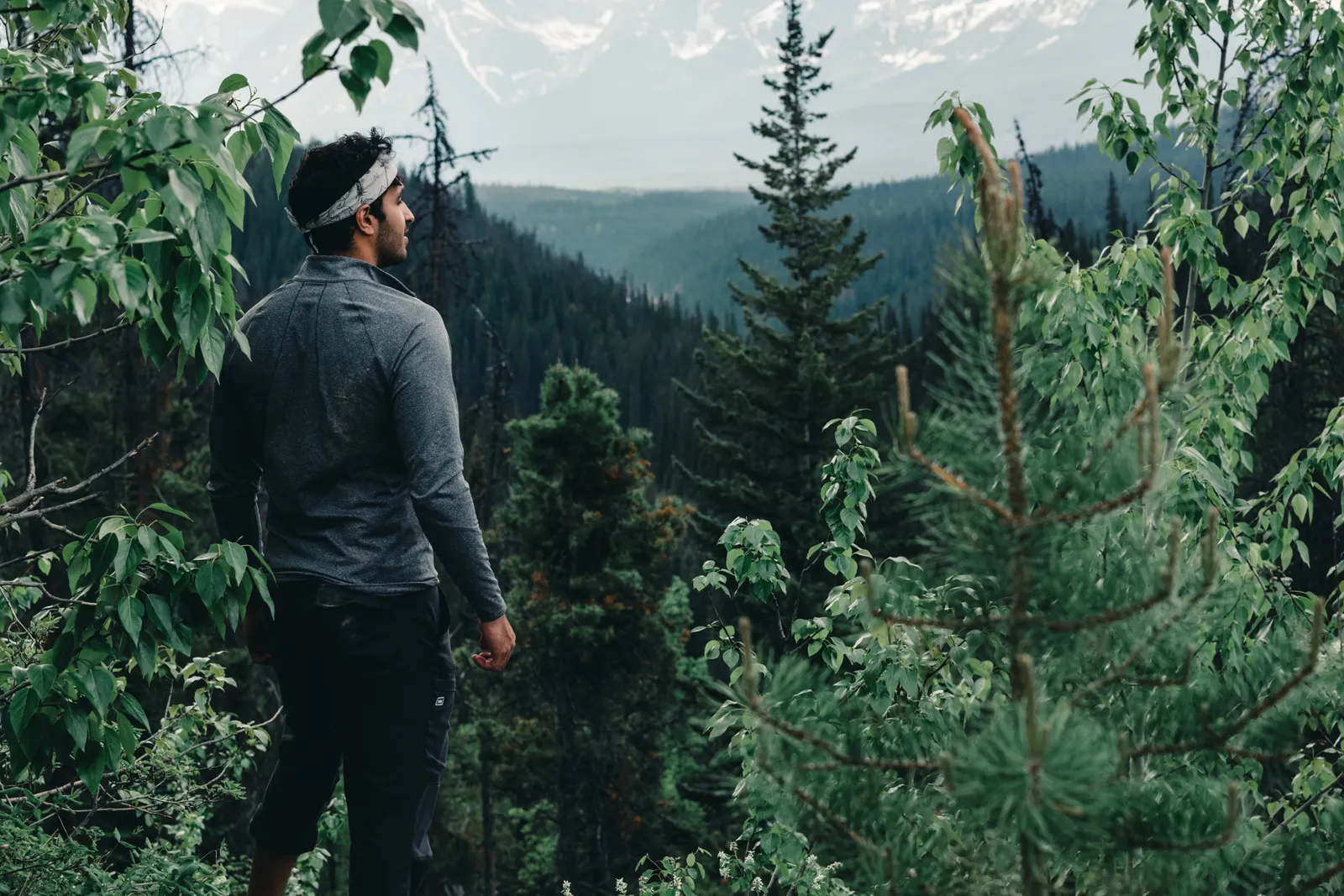
A great first trail weekend is less about finding the most spectacular hike and more about removing friction: a base you can reach easily, trails that match your group and enough slack in the schedule to enjoy where you are. Here is the framework we use.
1. Start with drive time, not the destination
Decide how long you are willing to travel each way before you start browsing photos. For a two-night weekend, three to four hours is a comfortable ceiling for most people. Beyond that, the drive starts to eat the trip. Draw a rough circle on a map and only look inside it.
2. Choose a base
You have three common options:
- Frontcountry campground — a drive-in site, usually with water and washrooms. Ideal if you already own basic camping gear.
- Roofed accommodation in a park — many provincial and national parks offer cabins, yurts or oTENTiks that cut down on the gear you need.
- A nearby town — a motel or rental lets you head out light each morning and come back to a hot shower.
Popular parks often open reservations months ahead. Check the reservation calendar for the park you want before settling on dates.
3. Pick two trails, not five
Plan one “main” hike and one short option. The main hike should be something your slowest walker can finish comfortably with breaks; the short option is your rainy-day or tired-legs plan. Read each trail description carefully — distance, elevation gain and whether the route is a loop or an out-and-back all change how long it will take. Our note on how to read a trail description covers this in more detail.
A quick time estimate: many hikers use about 4 km per hour on flat ground, plus an extra hour for every 600 m of climbing. It is a starting point, not a promise — adjust for your group, the terrain and the weather.
4. Build the weekend around daylight
Look up sunrise and sunset for your dates. Start your main hike early enough to finish with at least an hour of light to spare. On Sunday, leave time for a slow breakfast, a short walk and the drive home without watching the clock.
5. Check conditions the day before — and the morning of
Trail conditions in Canada change quickly. Before you leave, check the official park or trail authority for closures, wildlife warnings, fire bans and parking notices. Look at the forecast for the trailhead, not just the nearest town, especially in the mountains.
6. Pack the basics, every time
For a day hike, even a short one, bring:
- Water and more food than you think you need
- A warm layer and a waterproof jacket
- A map or downloaded offline map, plus a charged phone
- A small first-aid kit, headlamp and sun protection
- Bear spray where recommended, and the knowledge of how to use it
7. Tell someone your plan
Leave a simple trip plan with a friend: where you are going, which trail, when you expect to be back and who to call if you are not. It takes two minutes and is one of the most useful safety habits there is.
That is it. A reachable base, two well-chosen trails, an early start and a little slack. Everything else — the views, the swim, the campfire conversation — tends to follow.
Check before you go. This note is general information. Trail, water and weather conditions change, and rules differ between parks. Always confirm current conditions, closures and requirements with the relevant official park or local authority before you travel.