Explore Canada, one trail at a time
Plan Your Escape

Questions or corrections? contact@cedarlinedispatch.co

Search Cedar Line Dispatch

Popular searches

Destination guides

Explore Canada

Mountains, coastlines, lakes and forests — find a corner of Canada worth stepping into.

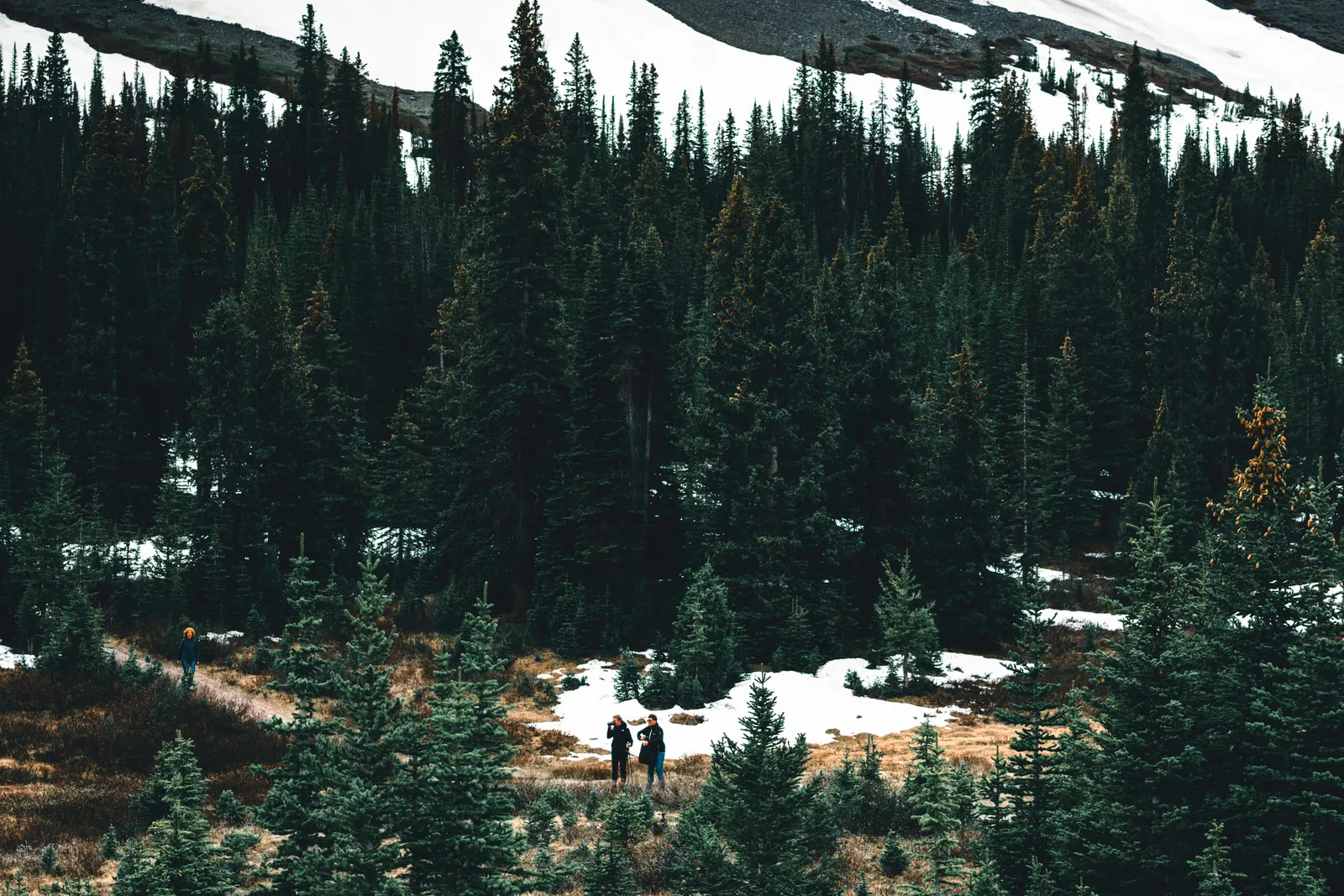
Snow-dusted peaks above dark evergreen forest in the Canadian Rockies

Western Canada

Big mountain country and a long Pacific edge. Alberta’s Rockies and British Columbia’s ranges, rainforests and coast offer some of the most varied outdoor terrain in the country — and some of its busiest trailheads in summer.

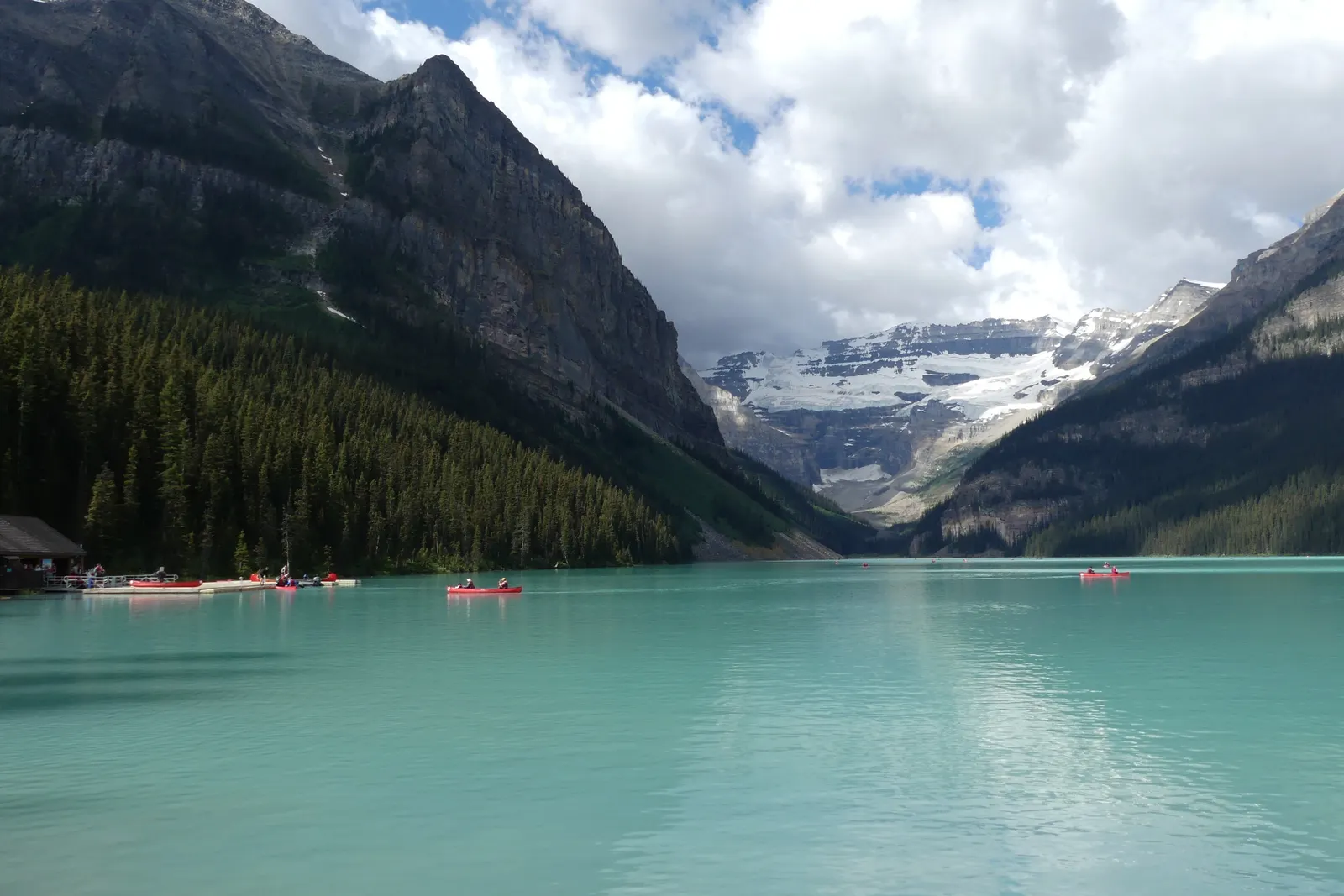
Turquoise Lake Louise beneath snow-streaked peaks in Banff National Park, Alberta
Province · Western Canada

Alberta

Alberta’s side of the Rockies holds Banff, Jasper and Waterton Lakes national parks, plus the less-visited valleys of Kananaskis Country. Expect glacier-fed lakes, larch-lined passes and wildlife along the roadsides. High trails can hold snow well into early summer, and popular lakes such as Moraine Lake are no longer open to personal vehicles — plan around Parks Canada shuttles and transit.

  • Alpine lakes
  • Day hikes
  • Scenic drives
  • Wildlife
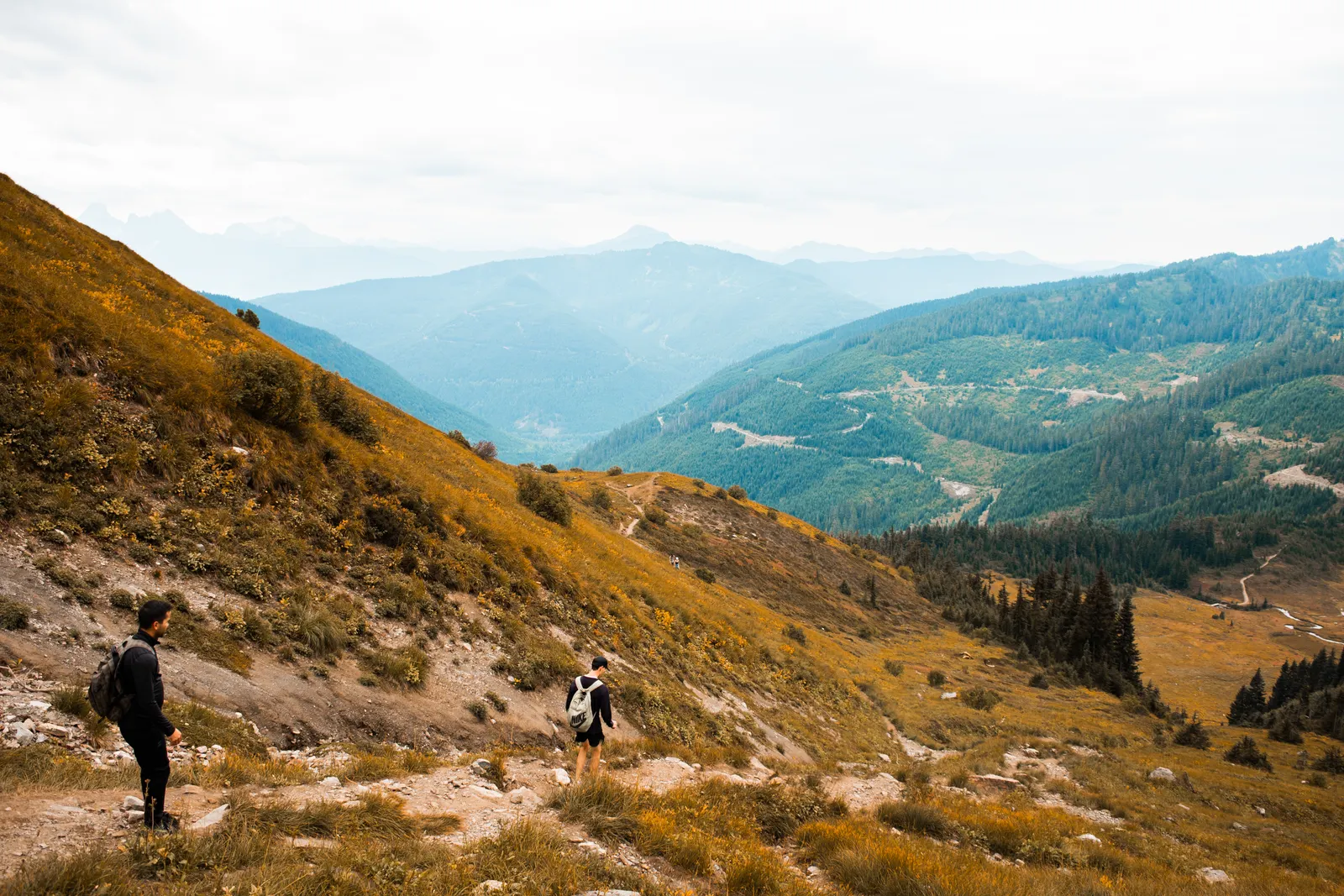
Golden evening light over forested ridges on a mountain trail near Chilliwack, British Columbia
Province · Western Canada

British Columbia

From the Coast Mountains to the Kootenays, British Columbia stacks range after range of hiking country, with Yoho, Kootenay, Glacier and Mount Revelstoke national parks inland and old-growth rainforest on the coast. Some of the busiest BC Parks use free day-use passes in peak season, so check before you drive.

  • Mountain trails
  • Rainforest
  • Lake paddling
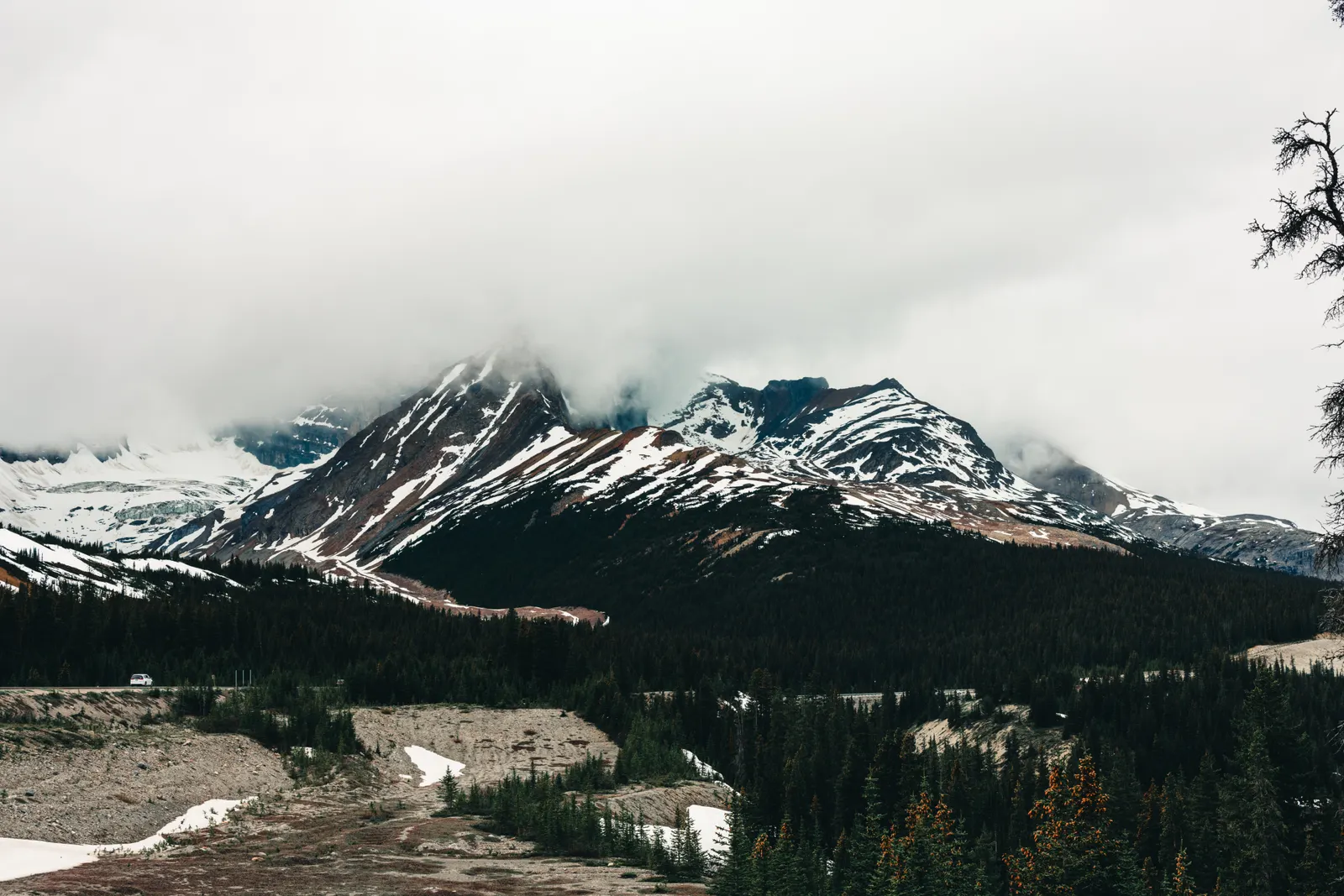
A highway curving through dense conifer forest toward mountains along the Icefields Parkway
Spotlight · Alberta

The Icefields Parkway

Highway 93 North links Lake Louise and Jasper through a corridor of glaciers, waterfalls and viewpoints. It is a drive best taken slowly, with fuel and food planned in advance — services along the route are limited and mobile coverage is patchy.

  • Road trips
  • Viewpoints
  • Glaciers
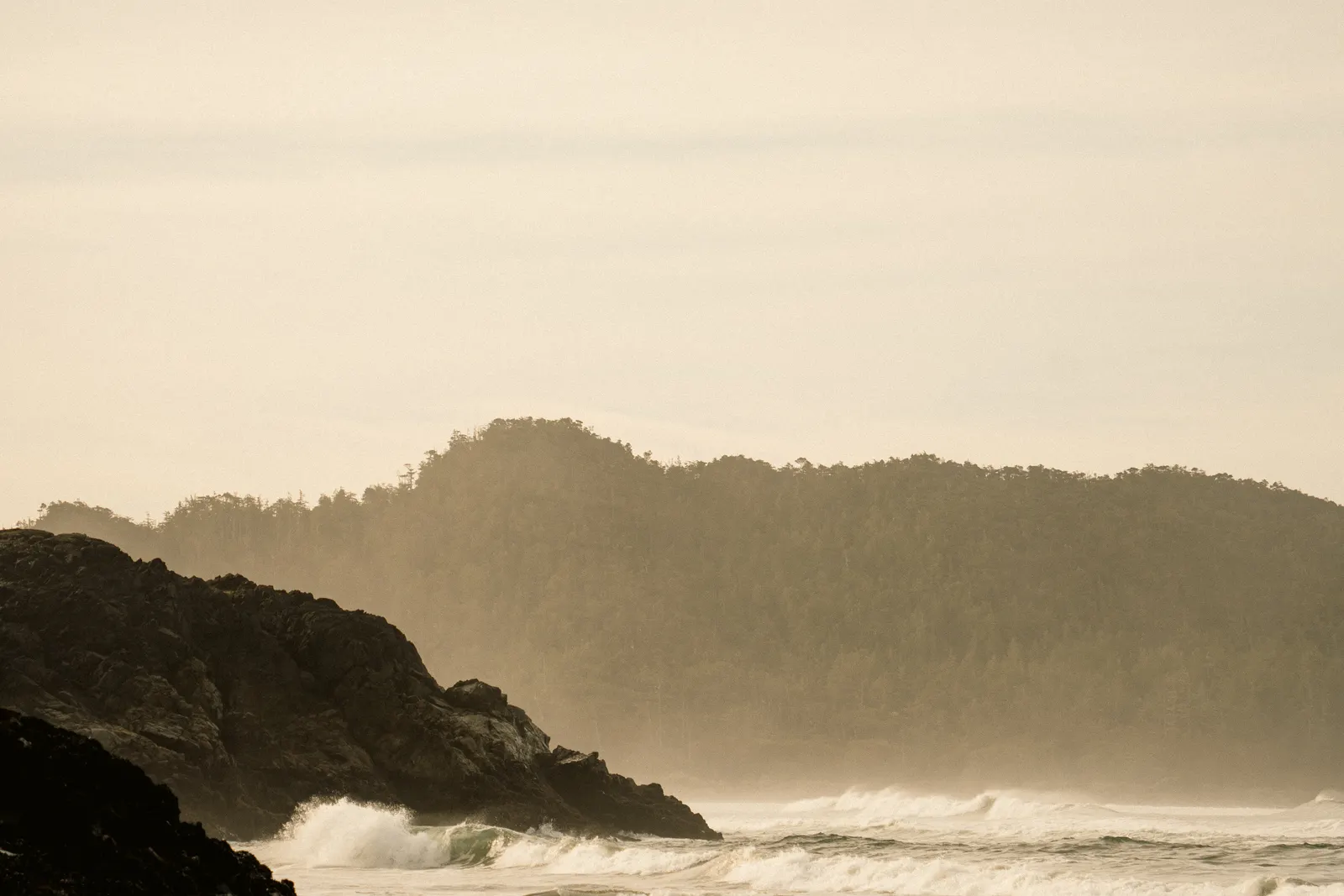
Misty forested headlands rising above calm water on the west coast near Tofino
Spotlight · British Columbia

Vancouver Island’s West Coast

Long beaches, surf, rainforest boardwalks and the Pacific Rim National Park Reserve. Weather changes quickly here; a good rain shell matters more than a good forecast. Tide tables are essential for any beach or headland walk.

  • Coastal walks
  • Rainforest
  • Storm watching

Central Canada

Lakes by the thousand, granite shorelines and hardwood forests that turn gold and red each fall. Ontario and Quebec are where many Canadians first learn to paddle, portage and camp.

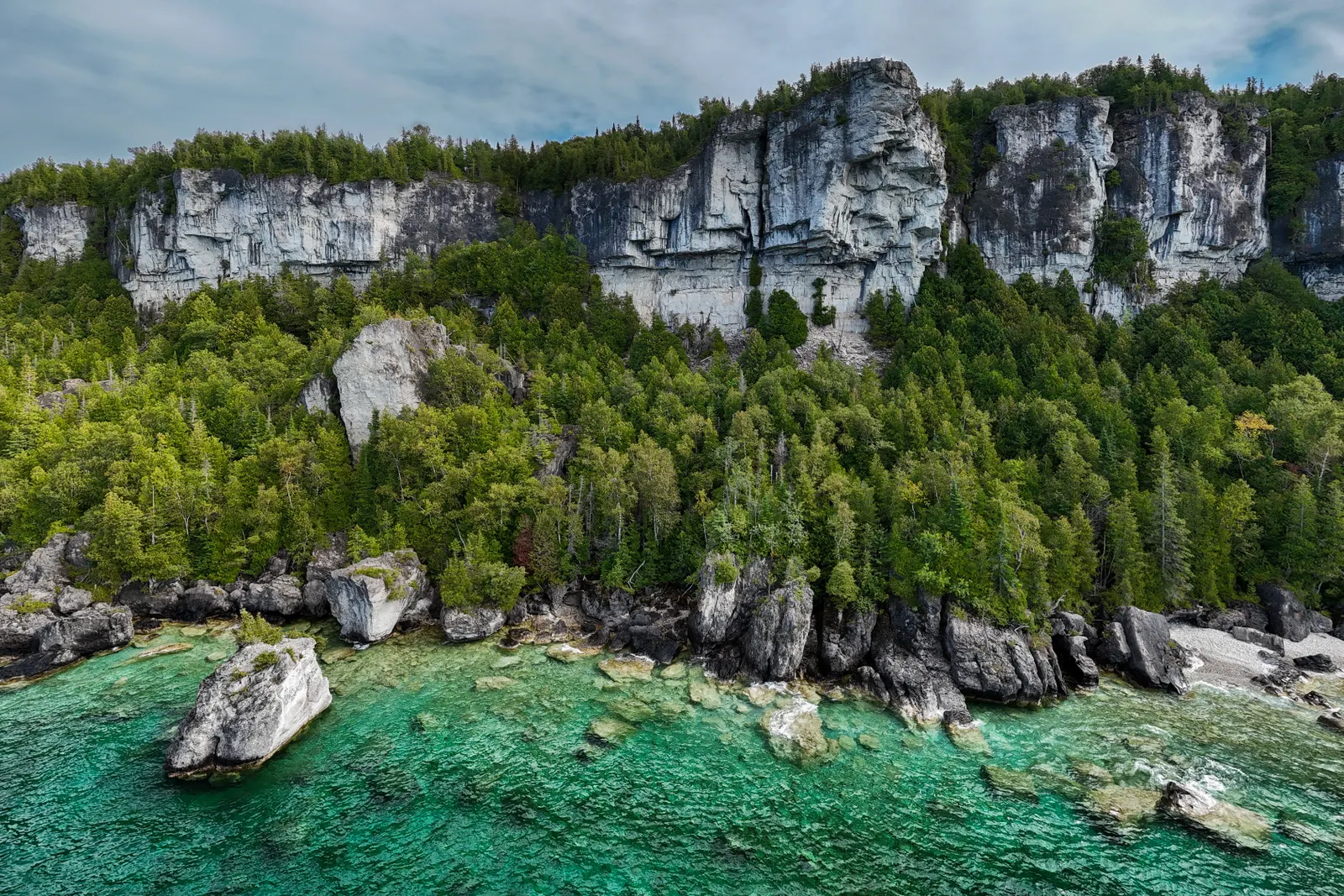
Limestone cliffs and clear turquoise water along the Bruce Peninsula in Ontario
Province · Central Canada

Ontario

Ontario is canoe country. Algonquin, Killarney and Frontenac provincial parks offer interior routes for paddlers, while the Bruce Peninsula’s limestone shoreline draws hikers to Georgian Bay. Many Ontario Parks sites — and Bruce Peninsula National Park in summer — require reservations for camping and sometimes day-use parking.

  • Canoe routes
  • Lakes
  • Weekend camping
  • Fall colour
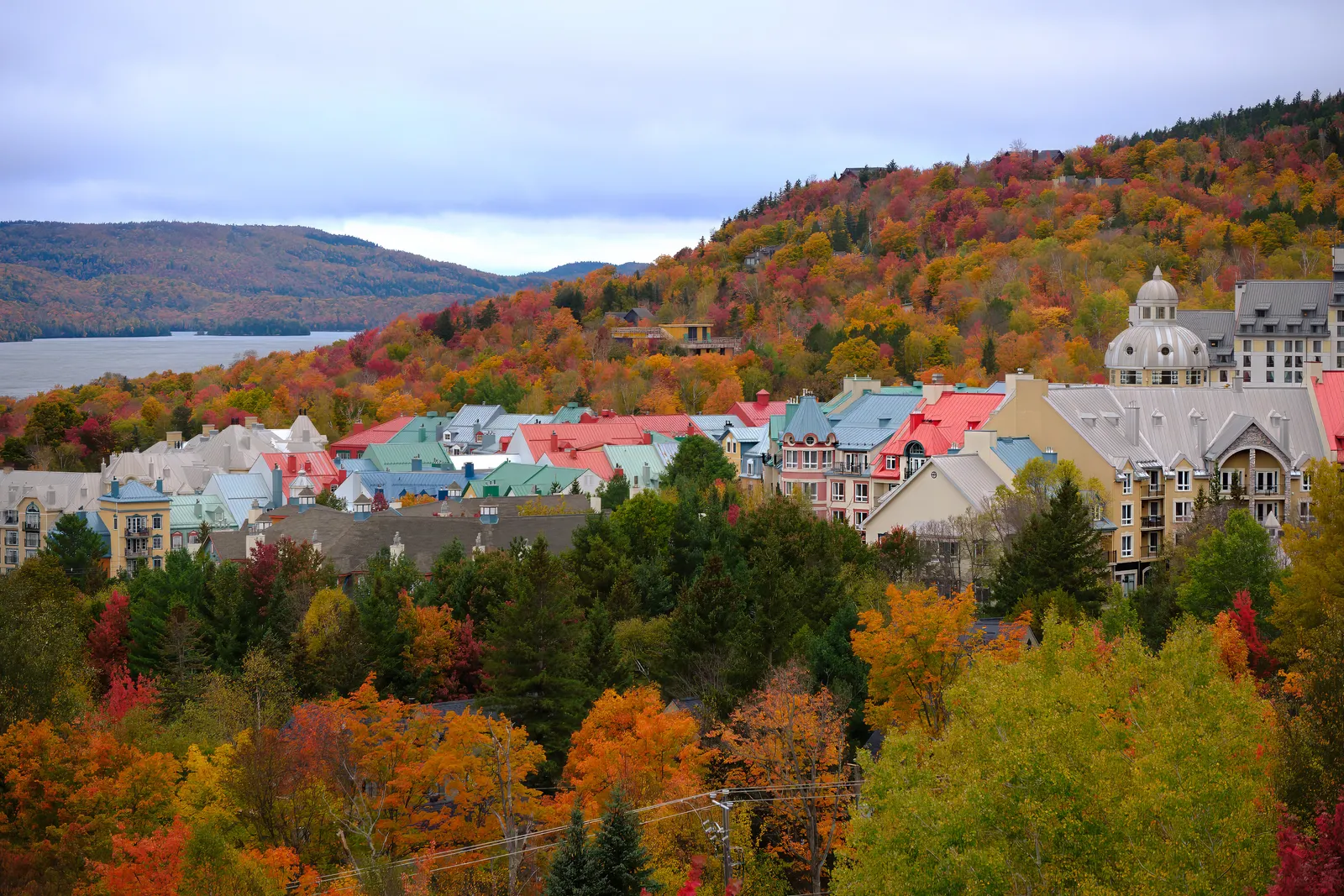
Autumn forest in red, orange and gold beside a lake in the Mont-Tremblant region of Quebec
Province · Central Canada

Quebec

Quebec’s provincial parks, managed by Sépaq, protect deep river valleys, Laurentian lakes and the mountains of the Gaspé. Forillon National Park sits at the tip of the peninsula. Late September and early October bring some of the most striking fall colour in the country.

  • Fall colour
  • River valleys
  • Cycling
  • Winter trails
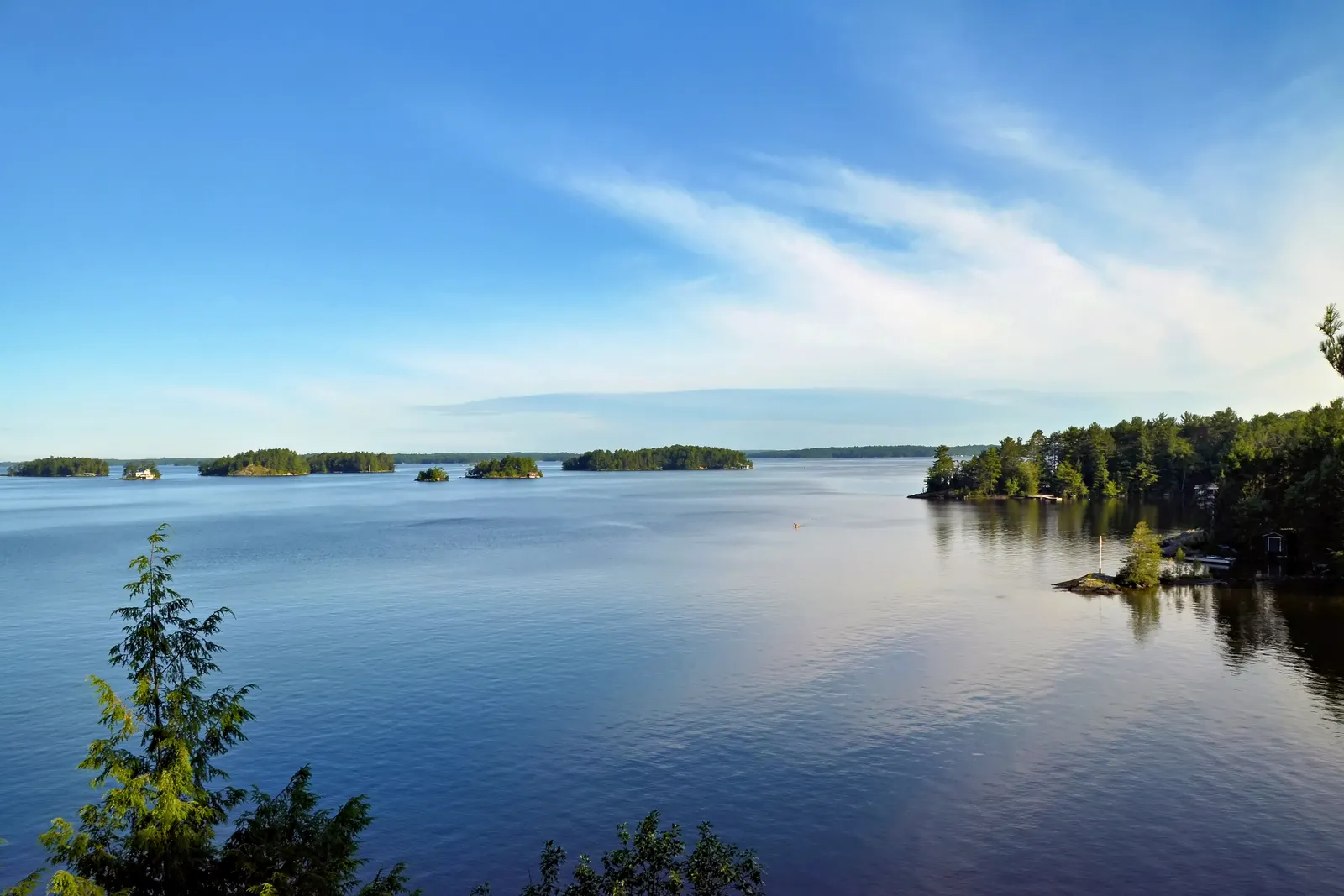
Calm blue lake framed by pine forest in Ontario’s Muskoka region
Spotlight · Ontario

Muskoka & Cottage Country

A few hours north of Toronto, Muskoka’s lakes, rocky points and small towns make for easy outdoor weekends. Much of the shoreline is private, so look to provincial parks and public access points for paddling and swimming.

  • Easy paddling
  • Lakeside towns
  • Weekend trips

Atlantic Canada

Headlands, fishing harbours, red cliffs and the biggest tides on Earth. The four Atlantic provinces reward slow travel, coastal walking and an eye on the weather.

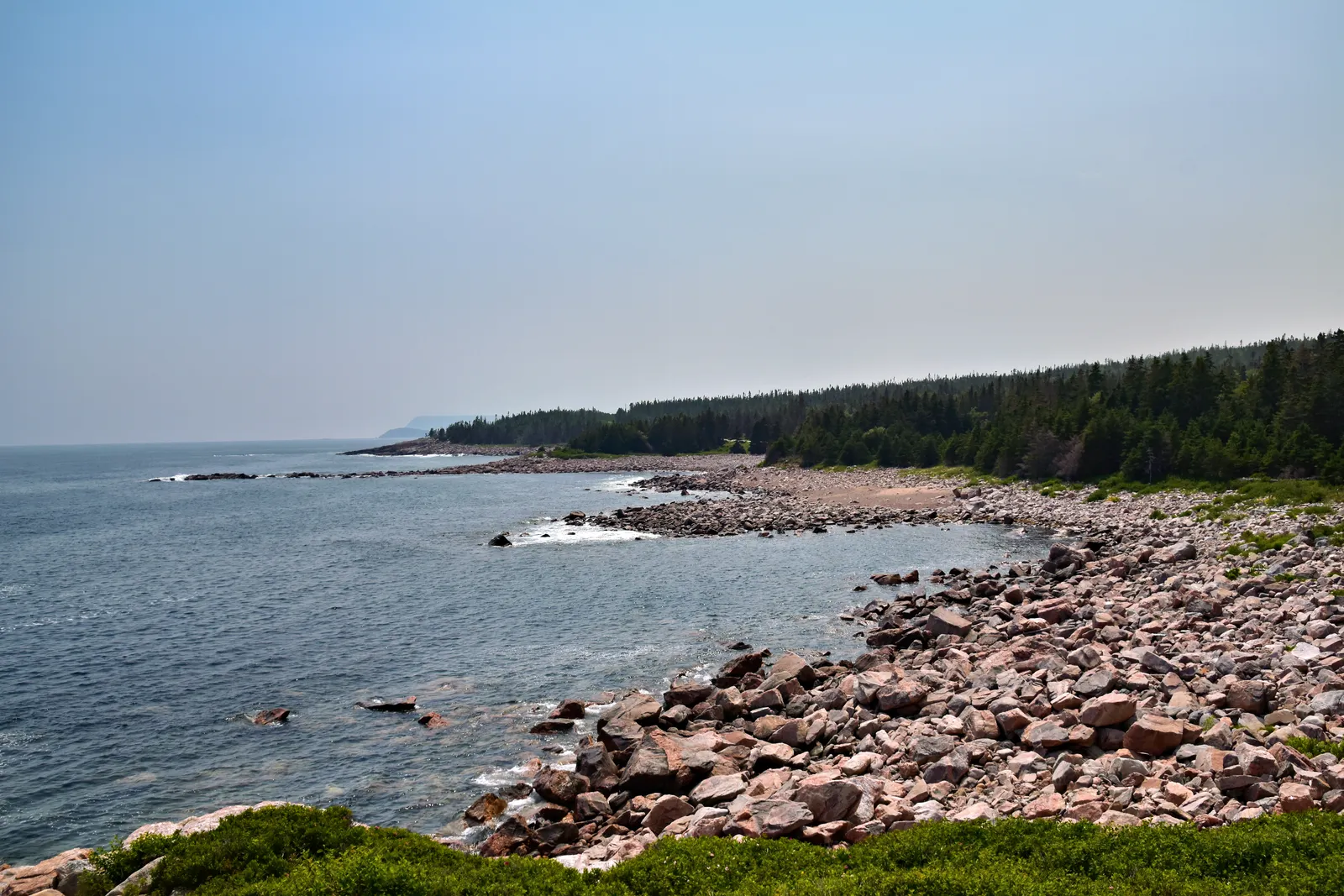
Rugged granite shoreline meeting the Atlantic Ocean in Nova Scotia
Province · Atlantic Canada

Nova Scotia

Nova Scotia pairs the Cabot Trail and Cape Breton Highlands National Park with the quieter lakes of Kejimkujik, a designated dark-sky preserve. Along the South Shore, granite headlands and lighthouses line the coast. Respect wave warnings on exposed rock — the Atlantic can surge without notice.

  • Coastal hiking
  • Lighthouses
  • Dark skies
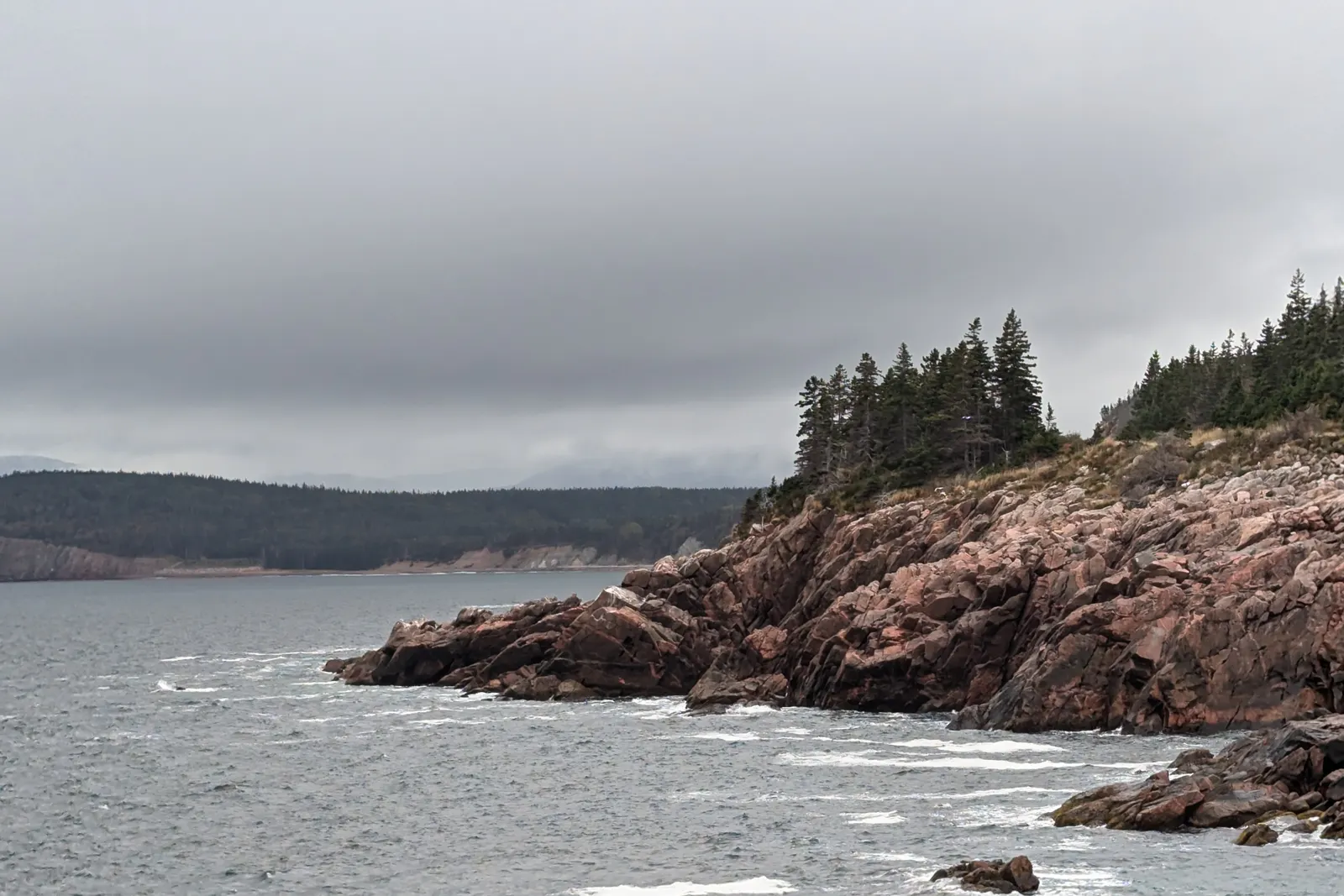
Dramatic rocky coastline and ocean waves on Cape Breton Island
Spotlight · Nova Scotia

Cape Breton Island

The Cabot Trail loops around the island’s northern highlands, with cliff-edge lookouts, short hikes and Gaelic and Acadian communities along the way. Give it several days rather than one long drive.

  • Road trips
  • Ocean lookouts
  • Culture
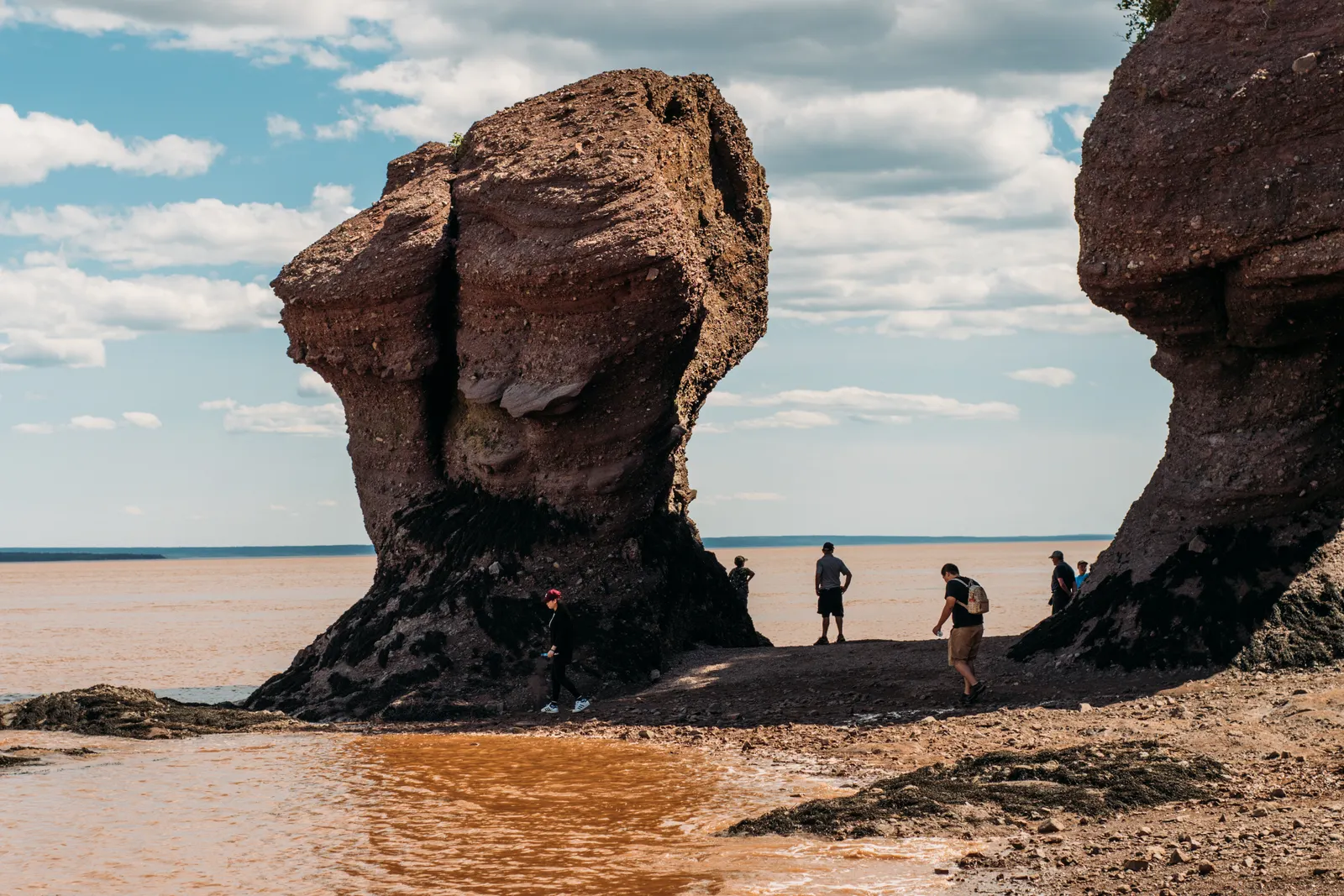
Tall flowerpot-shaped sea stacks at low tide on the Bay of Fundy, New Brunswick
Province · Atlantic Canada

New Brunswick

The Bay of Fundy’s tides reshape the shoreline twice a day. At Hopewell Rocks you can walk the ocean floor at low tide, and Fundy National Park offers forest trails, waterfalls and coastal views. On the Acadian coast, Kouchibouguac National Park trades cliffs for dunes and lagoons.

  • Tides
  • Coastal trails
  • Beaches
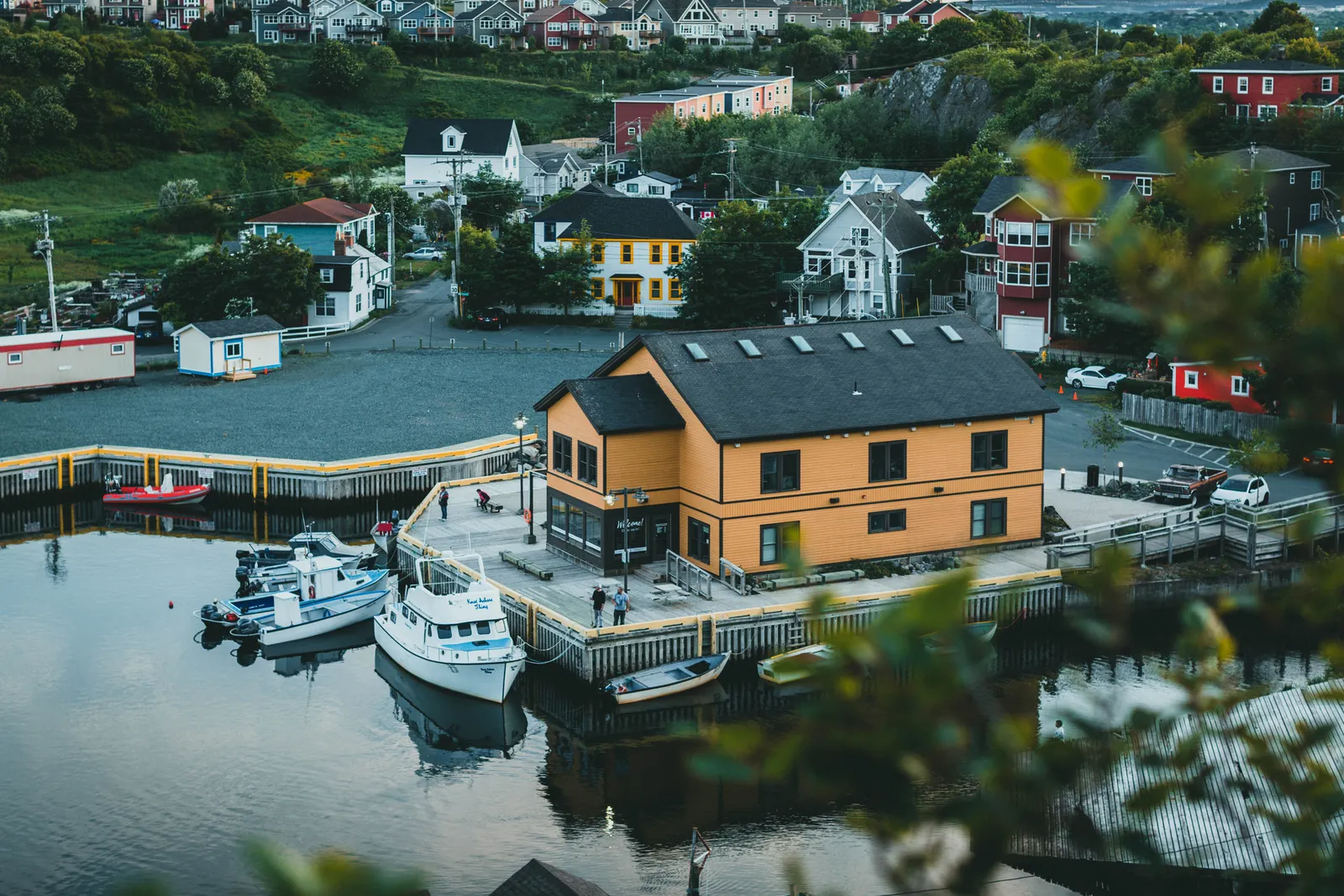
Colourful houses and boats around the small harbour of Quidi Vidi in St. John’s, Newfoundland
Province · Atlantic Canada

Newfoundland & Labrador

Gros Morne National Park, a UNESCO World Heritage Site, is the headline — fjords, tablelands and steep coastal hikes. On the Avalon Peninsula, the East Coast Trail follows cliffs between outport communities. In late spring and early summer, icebergs can drift close to shore.

  • Coastal trails
  • Icebergs
  • Fjords
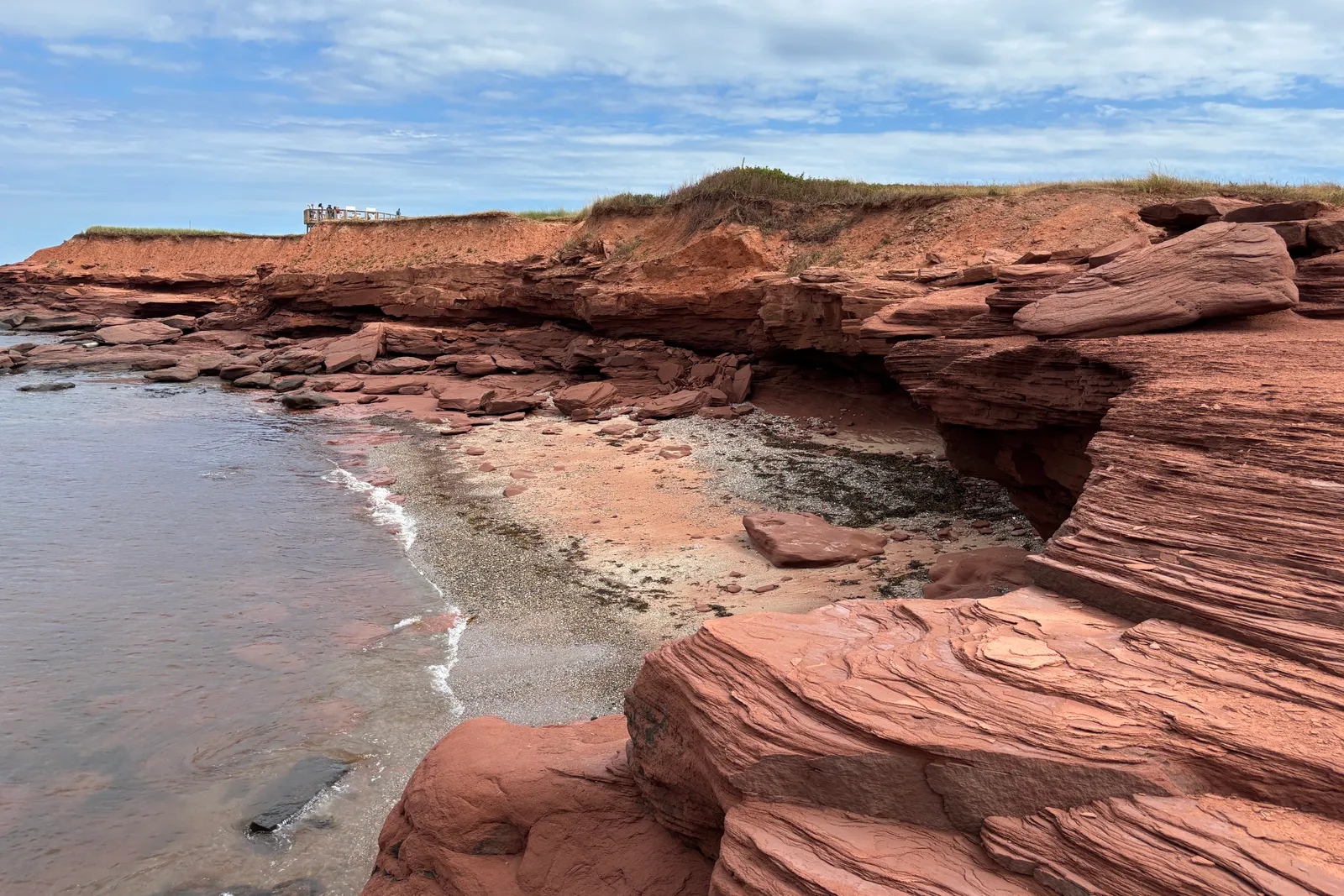
Red sandstone cliffs and blue water along the coast at Cavendish, Prince Edward Island
Province · Atlantic Canada

Prince Edward Island

Canada’s smallest province is gentle outdoor country: red sandstone cliffs, dune-backed beaches in Prince Edward Island National Park and the Confederation Trail, a former rail line that crosses the island and suits relaxed cycling.

  • Cycling
  • Beaches
  • Easy days

Northern Canada

Vast, remote and deeply rooted in Indigenous homelands. Travel in the territories takes more planning, more time and more respect for distance — and repays it with landscapes found nowhere else.

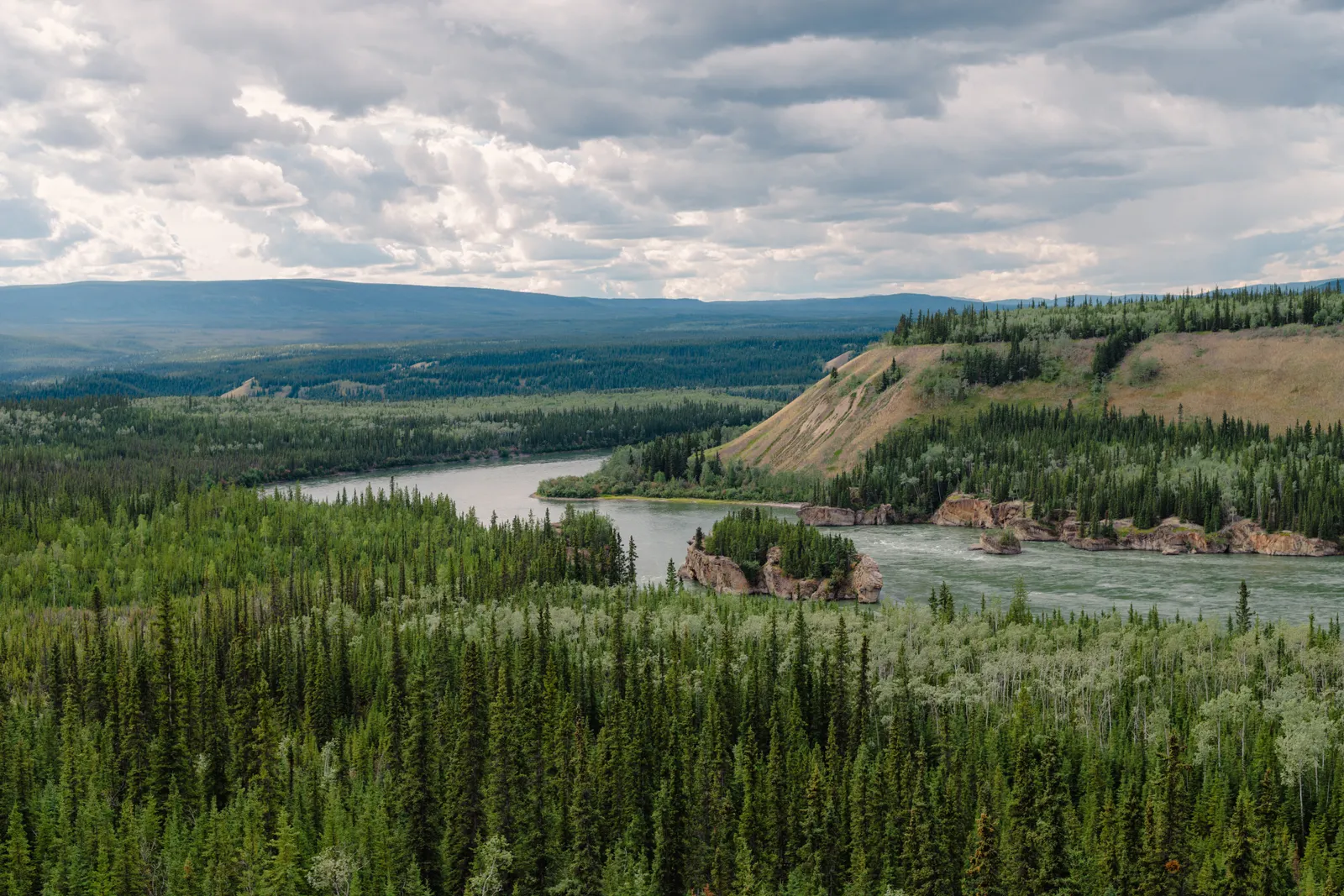
The Yukon River winding through a broad green valley under a wide sky
Territory · Northern Canada

Yukon

Kluane National Park and Reserve holds Mount Logan, Canada’s highest peak, and some of the largest non-polar icefields in the world. The Yukon River has carried paddlers for generations. Summer brings near-constant daylight; late fall and winter bring long nights and a chance of aurora.

  • River paddling
  • Wilderness
  • Aurora
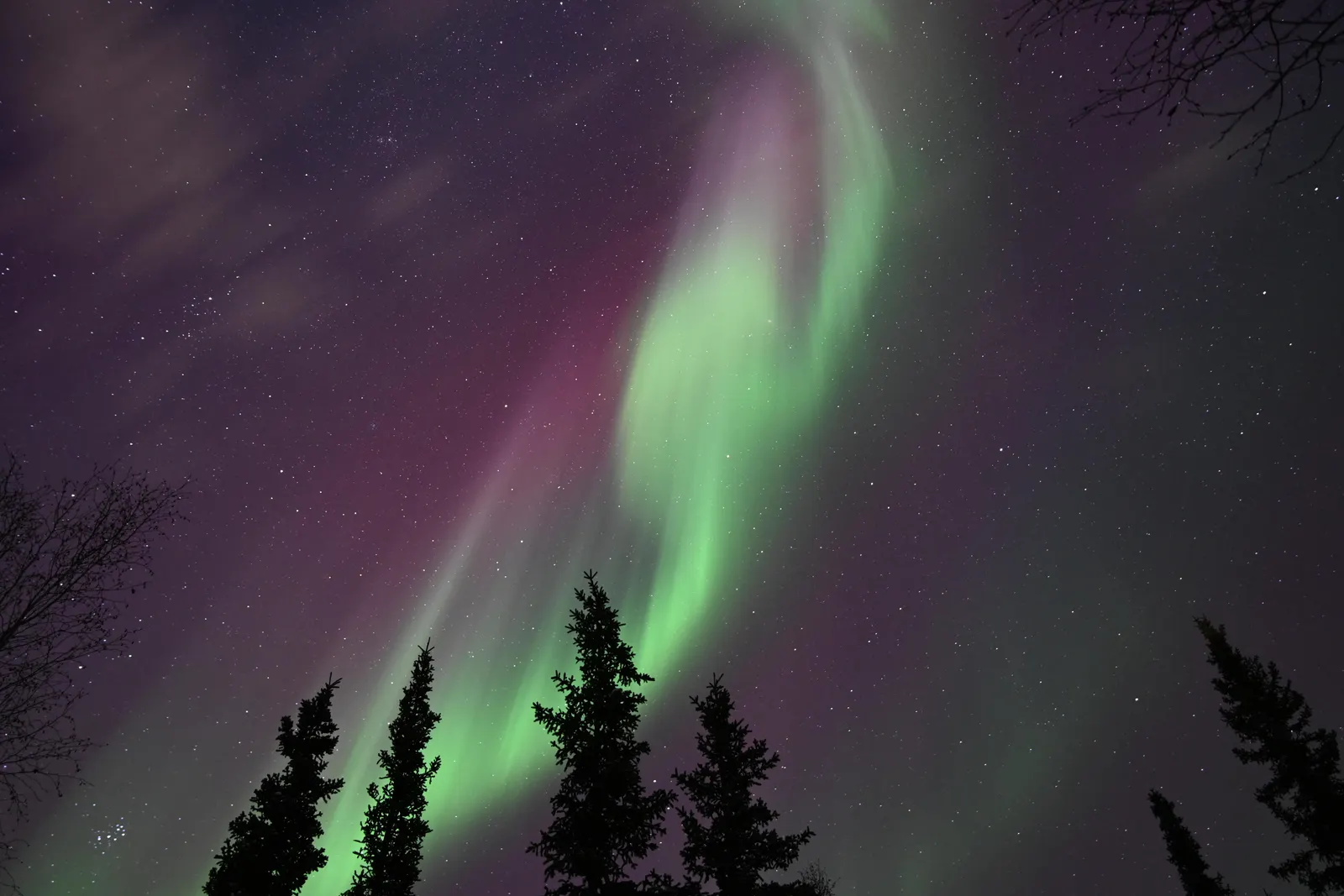
Green aurora borealis glowing above a dark line of spruce trees at night
Territory · Northern Canada

Northwest Territories

Yellowknife is a well-known base for aurora viewing, and Great Slave Lake is one of the deepest lakes in North America. Nahanni National Park Reserve, a UNESCO World Heritage Site, is reached mainly by floatplane. Wood Buffalo National Park, shared with Alberta, is Canada’s largest national park.

  • Aurora
  • Big lakes
  • Remote parks
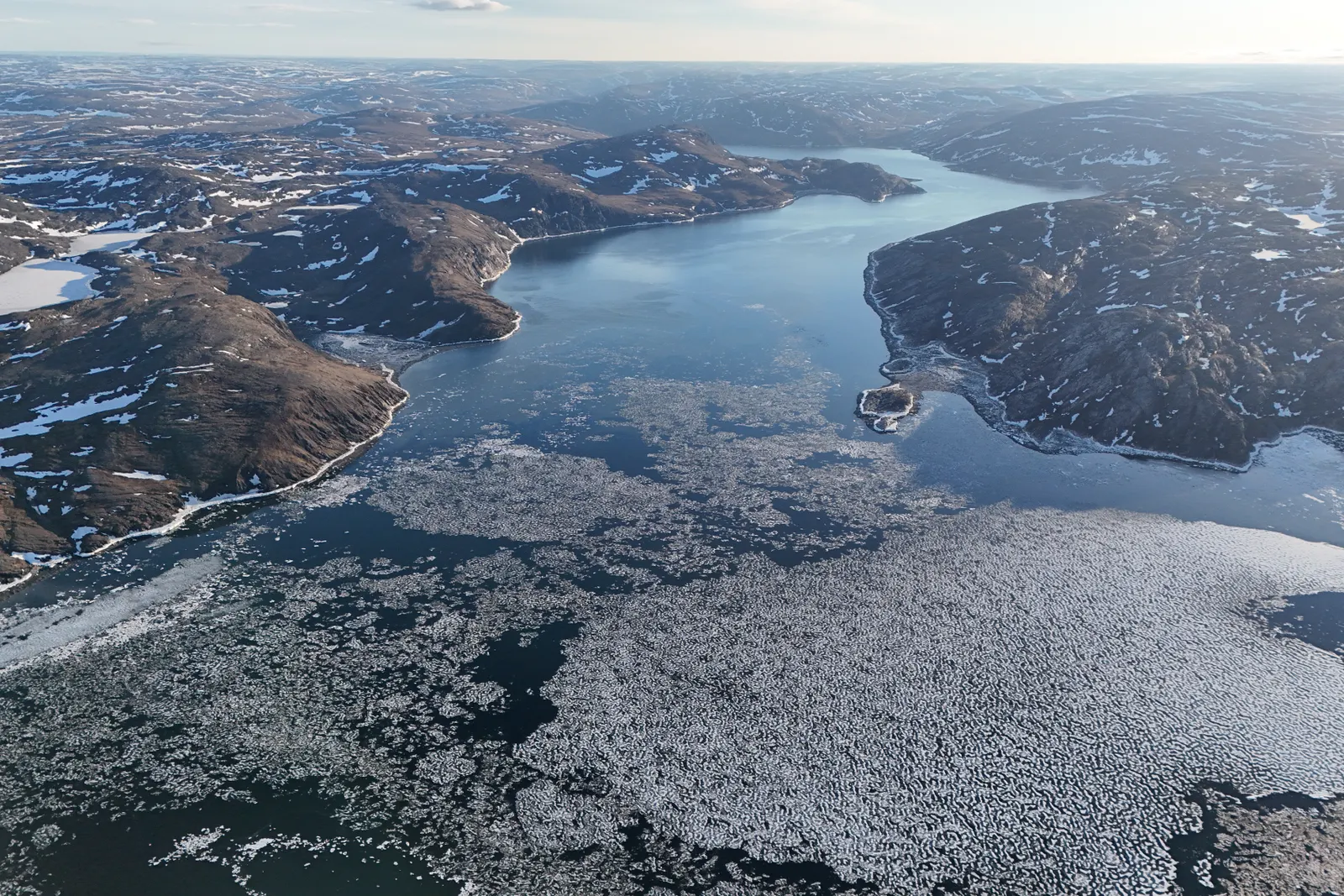
Aerial view of snow, ice and deep fjords in the Arctic landscape of Nunavut
Territory · Northern Canada

Nunavut

Nunavut has no road connection to southern Canada; visitors arrive by air. Auyuittuq National Park on Baffin Island is known for the Akshayuk Pass, and Parks Canada requires registration and orientation for backcountry travel there. For most visitors, travelling with a licensed local outfitter is the sensible choice.

  • Arctic landscapes
  • Culture
  • Expedition travel

About these guides

These are editorial destination guides to help you start planning. Cedar Line Dispatch does not sell trips, tours or bookings.

Conditions, access rules, reservations and fees change. Before you travel, check current information with Parks Canada, the relevant provincial or territorial parks agency, Indigenous and local governments, and official tourism organisations.

Browse trip ideas by type of escape

Choose which optional cookies you allow. You can change these settings at any time from the “Cookie settings” link in the footer. See our Cookie Policy for details.

Essential

Always on

Needed for core features such as security and remembering your cookie choice. These cannot be switched off.

Analytics

Helps us understand which pages are useful, using aggregated statistics.

Advertising measurement

Lets us measure whether our own advertising (for example, on Google) brings visitors to this site.

Preferences

Remembers optional settings, such as your last-used Field Notes category.