Ways to get outside
Seven ways into the Canadian outdoors
Whether you have an afternoon or a week, start with the activity — then find the places that suit it.
01 / 07
Hiking & Walking
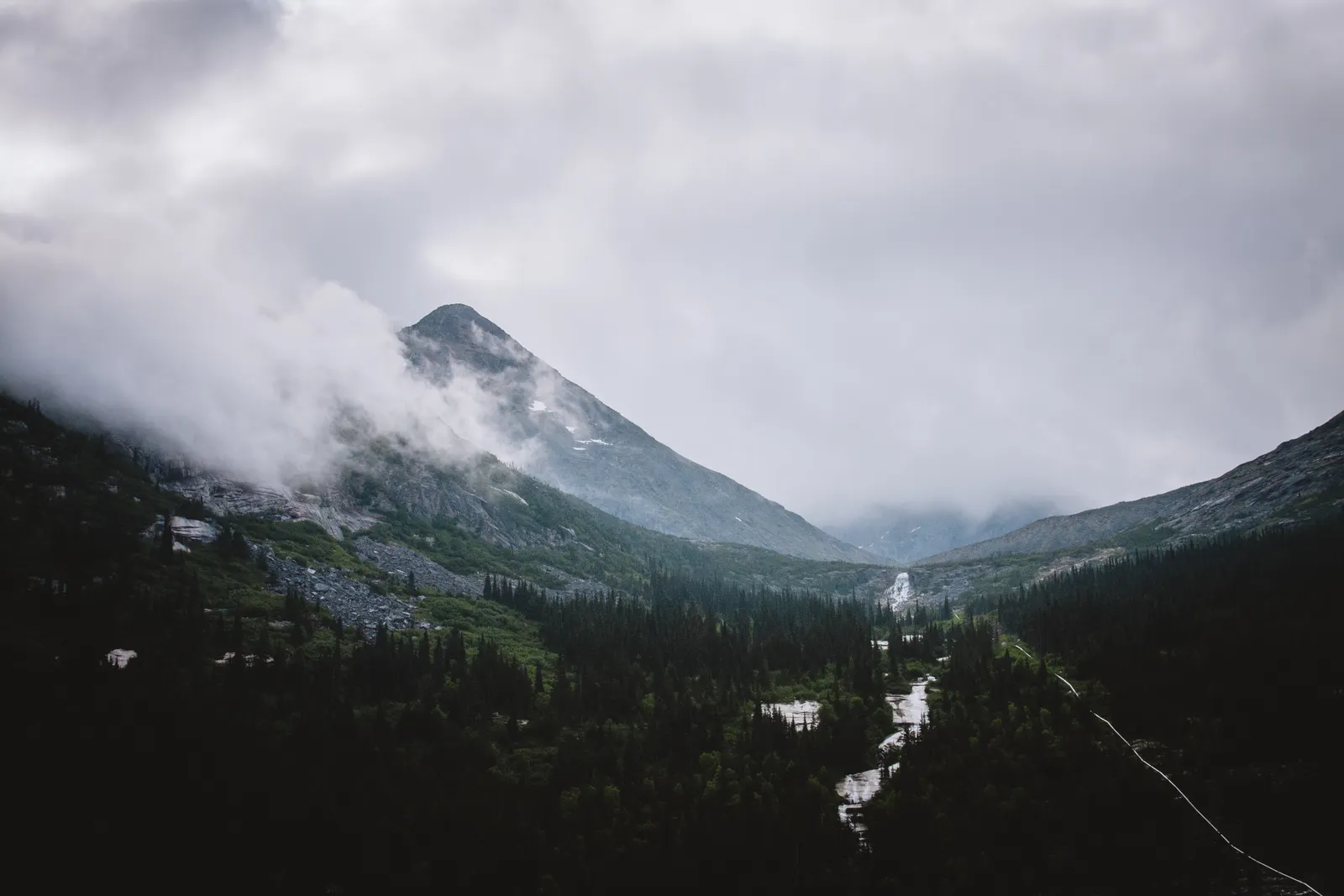
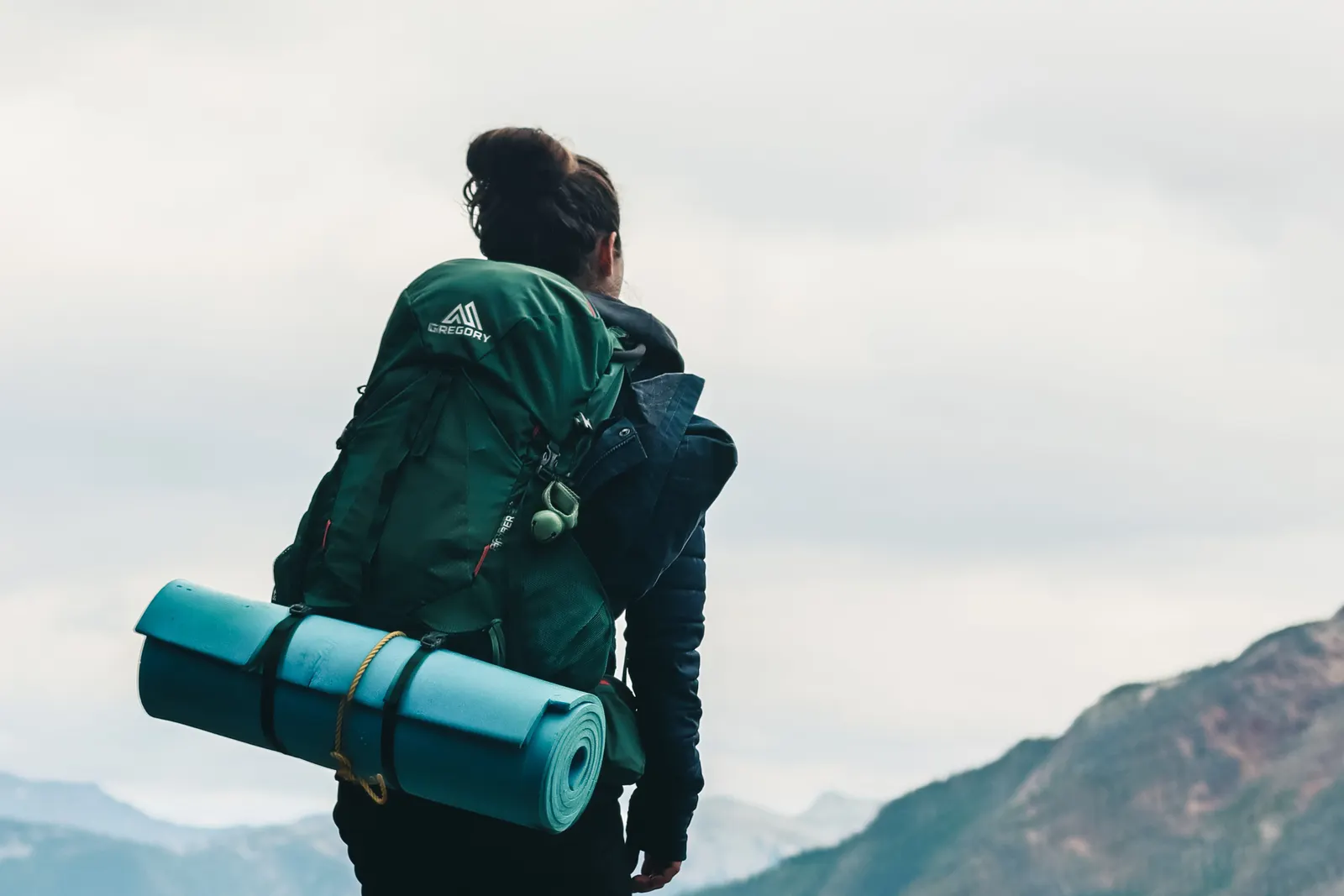
Canada’s trails range from stroller-friendly boardwalks to multi-day routes over high passes. A good walk starts with an honest match between the trail and the group: distance, elevation gain, surface and the time you actually have before dark.
Before you go
- Check the official park or trail authority for closures, wildlife warnings and seasonal restrictions.
- Plan for roughly the slowest person in your group, and set a turnaround time.
- In bear country, carry bear spray where recommended and know how to use it.
02 / 07
Canoeing & Paddling
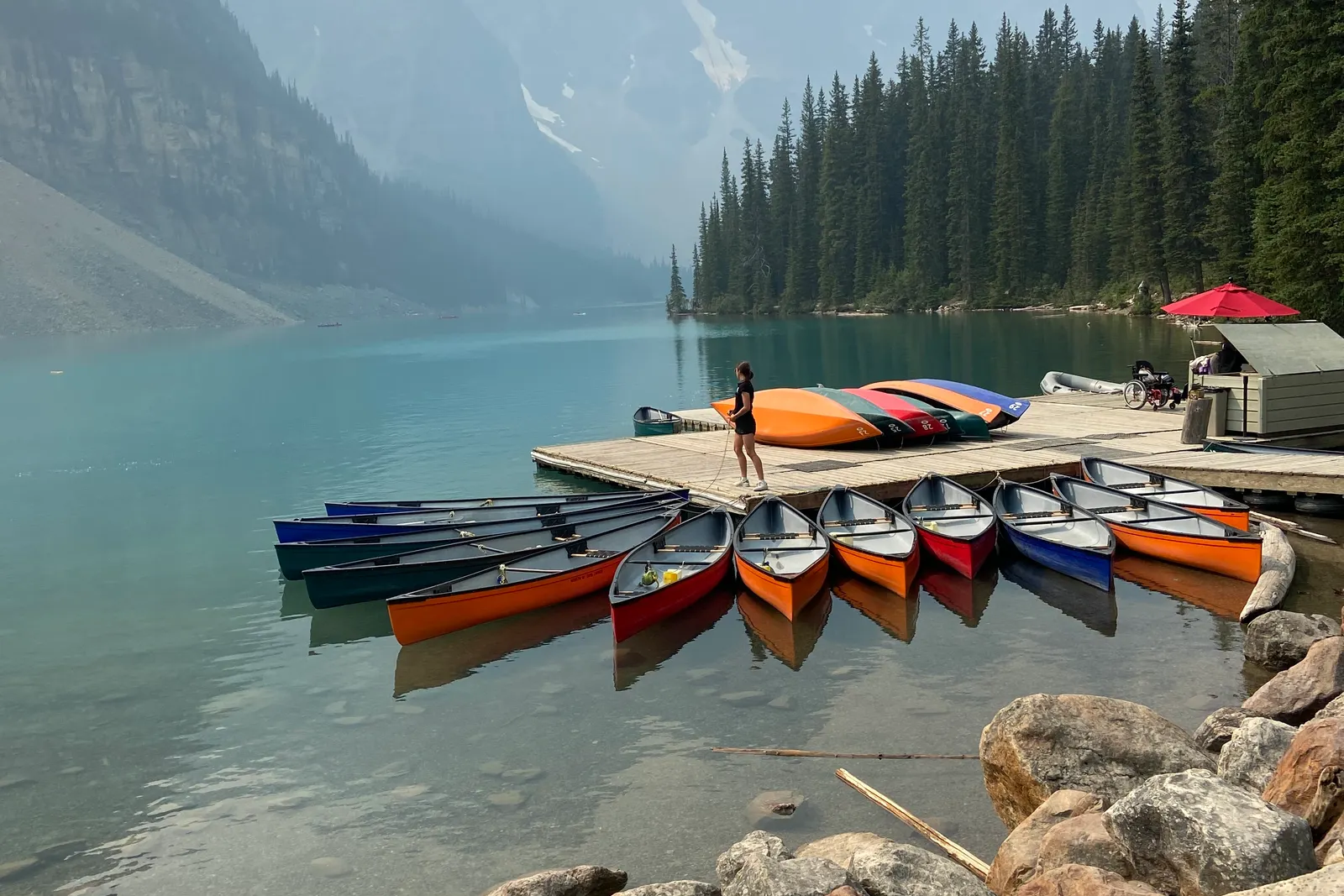
Paddling is one of the oldest ways to travel across what is now Canada. Whether you rent a canoe for an hour or plan a week-long interior route, cold water, wind and distance from shore are what shape a safe day on the water.
Before you go
- Wear a properly fitted lifejacket or PFD — Transport Canada requires one on board for each person.
- Plan for cold water even on warm days, and stay closer to shore when wind picks up.
- Leave a trip plan with someone who will notice if you are late.
03 / 07
Camping
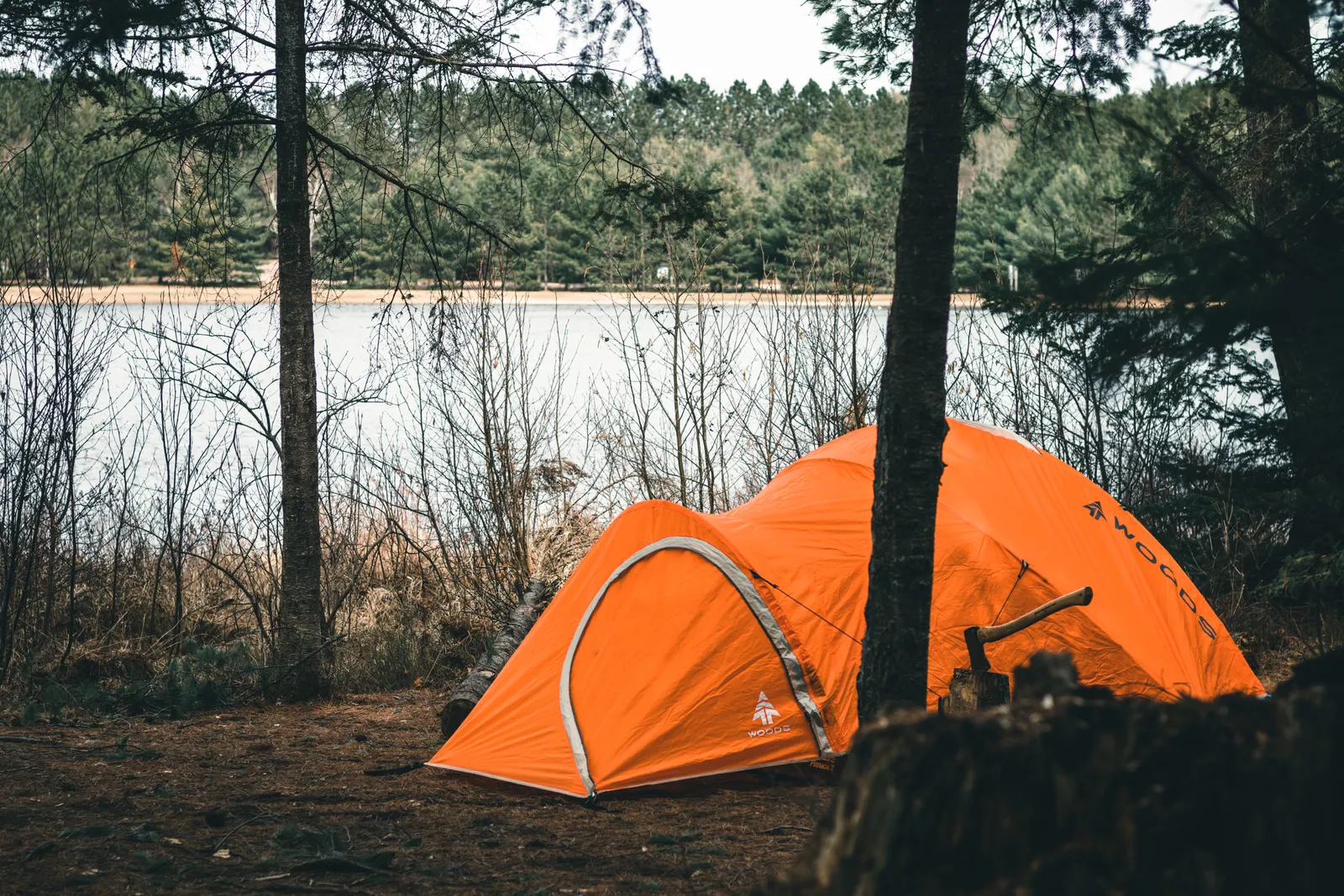
Camping in Canada covers drive-in campgrounds with showers, walk-in sites a short carry from the car, and backcountry sites reached by trail or canoe. Popular parks often fill months ahead, so reservation windows matter.
Before you go
- Check when reservations open for the park you want — many systems open months in advance.
- Store food, garbage and toiletries as the park directs: lockers, hangs or vehicles.
- Know current fire bans; they change quickly in dry summers.
04 / 07
Cycling
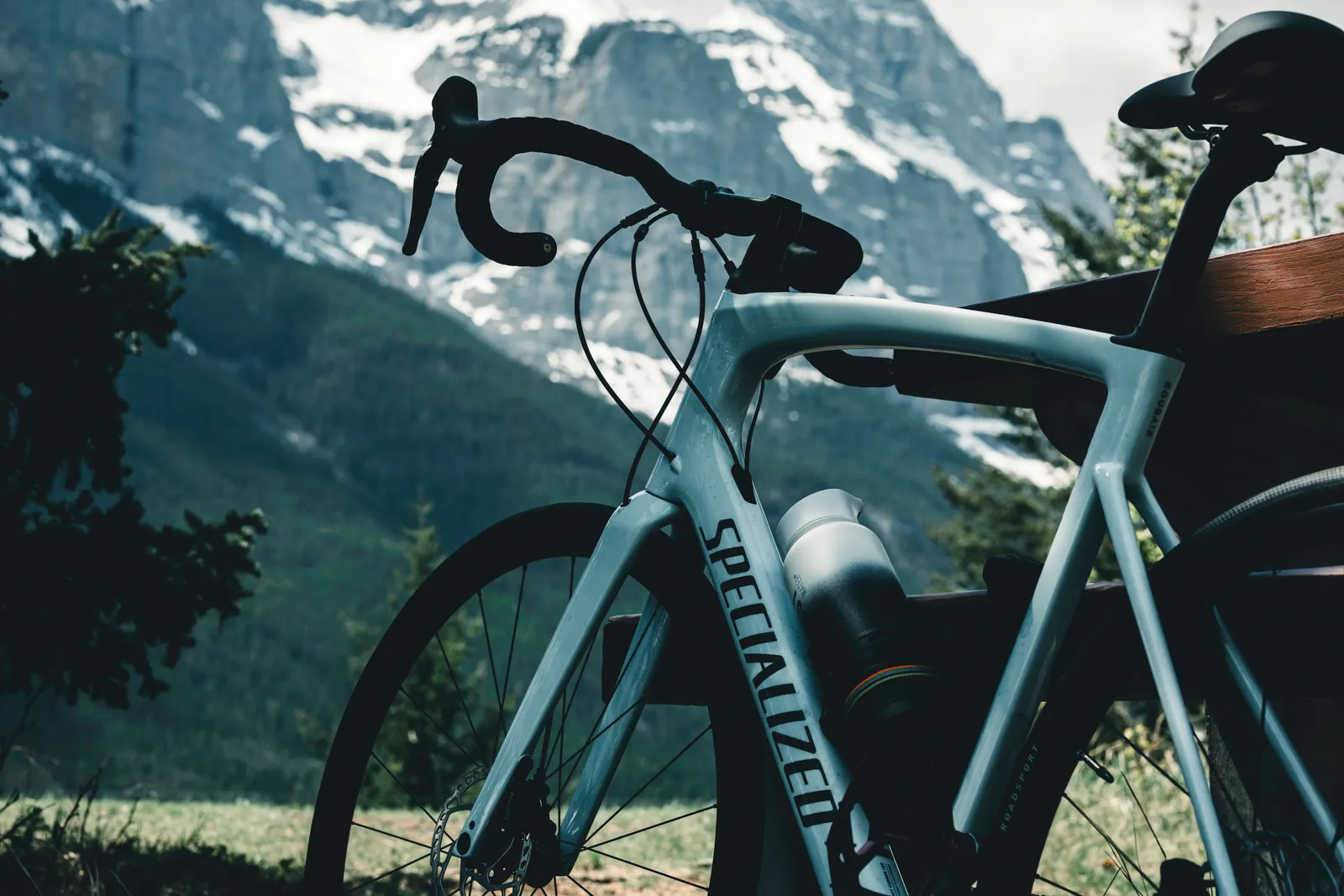
From island-crossing rail trails to mountain parkways, cycling lets you cover more ground while staying close to the landscape. Converted rail lines offer gentle grades for families; mountain routes demand more fitness and attention to traffic and weather.
Before you go
- Look for converted rail trails if you want long distances on gentle grades.
- Carry layers — temperatures drop fast on long descents and near water.
- Check local rules for e-bikes on trails, which vary by park and province.
05 / 07
Wildlife Watching
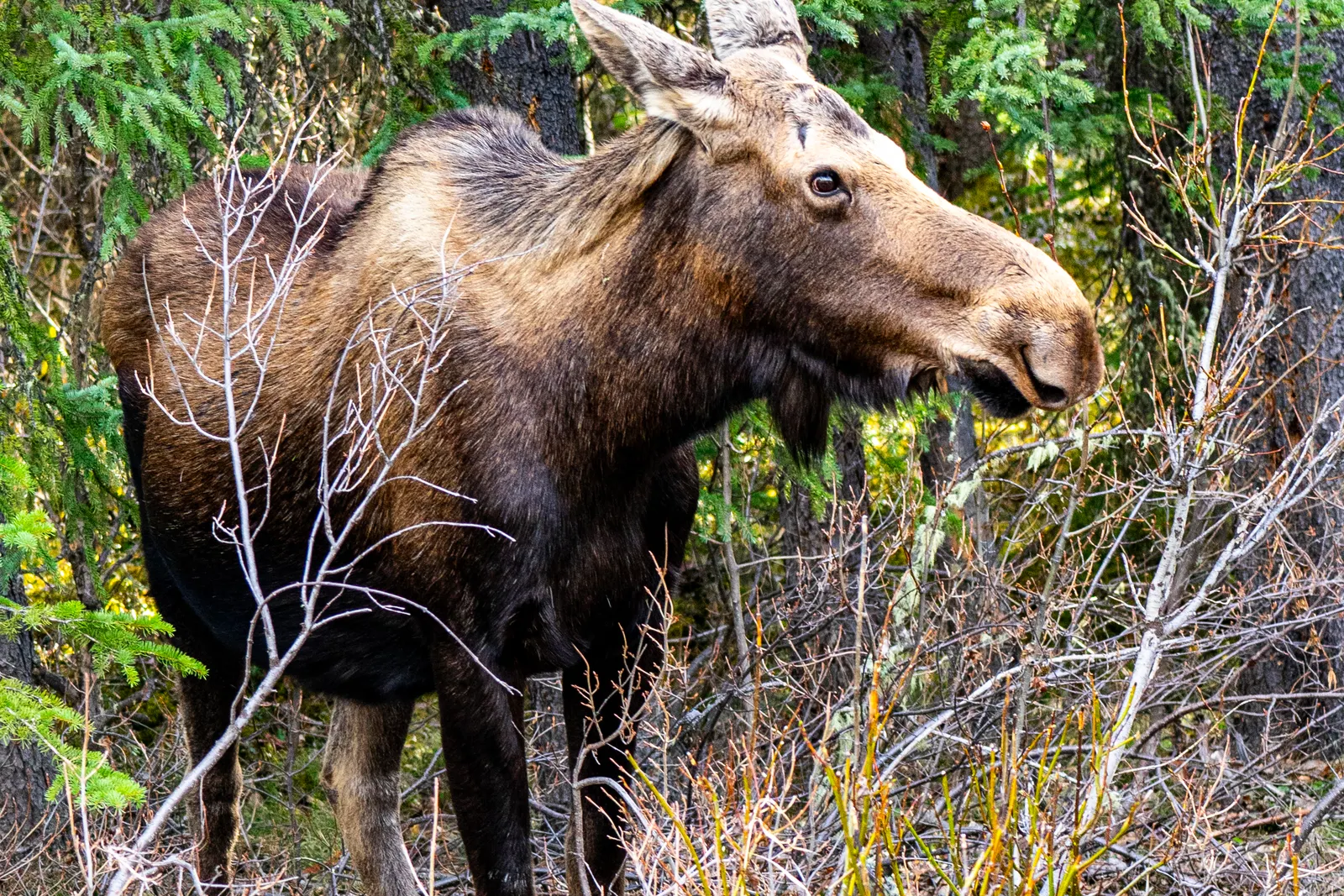
Seeing wildlife is often the highlight of a trip, and the best sightings are the ones where the animal never changes its behaviour because of you. Binoculars and patience do more than getting closer ever will.
Before you go
- Parks Canada advises staying at least 100 m from bears, cougars and wolves and 30 m from other large animals such as elk and moose.
- Never feed wildlife, and stay in your vehicle at roadside sightings.
- Dawn and dusk are typically the most active times — and the times to drive slowest.
06 / 07
Scenic Road Trips
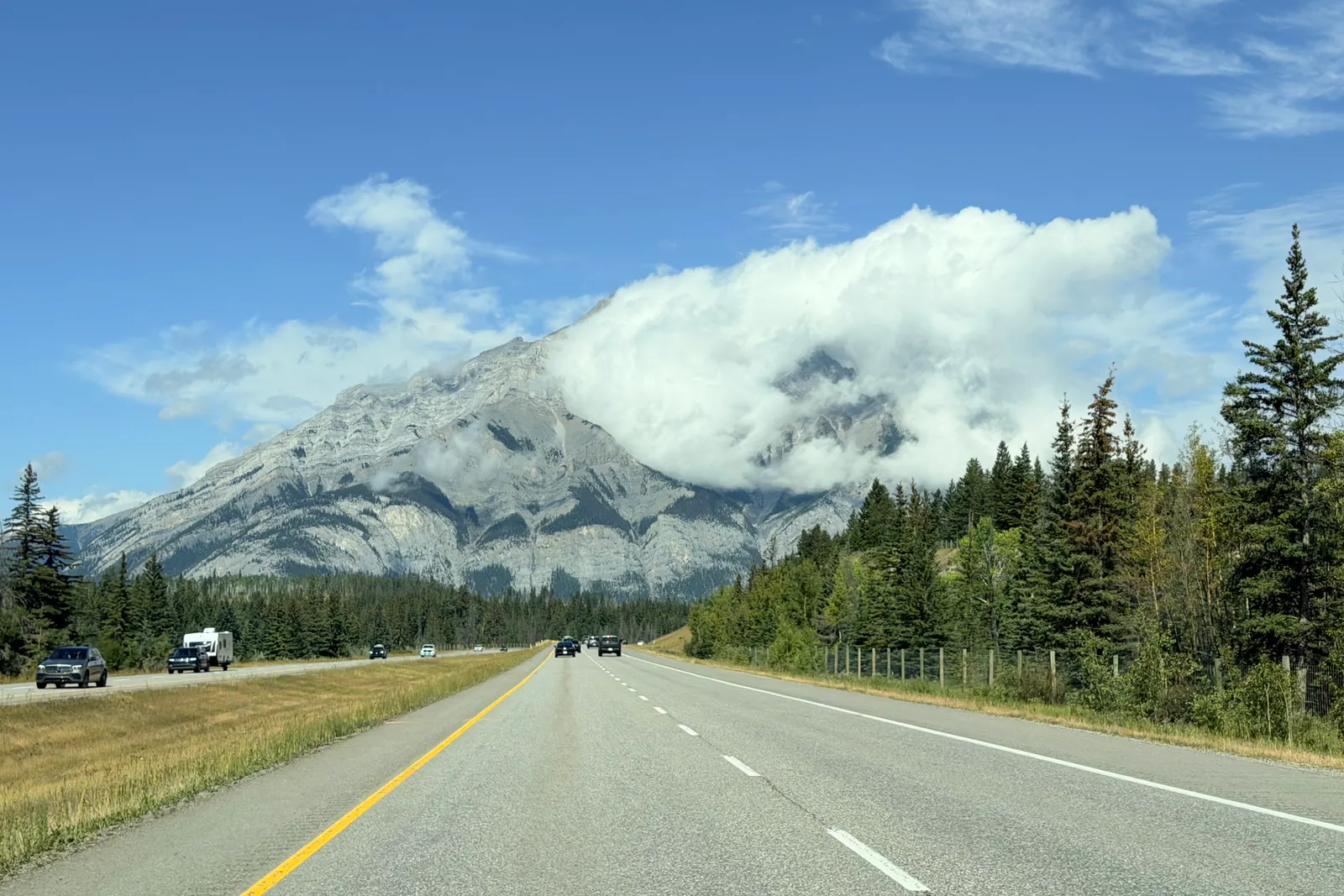
Some of Canada’s best views are a pull-out away from the road. A good road trip leaves room for short walks, slow lunches and unplanned stops — and accounts for long distances between services.
Before you go
- Fuel up before remote stretches; some highways have long gaps between services.
- Download offline maps — mobile coverage drops out in mountains and on many rural roads.
- Pull fully off the road at viewpoints and wildlife sightings.
07 / 07
Winter Outdoors
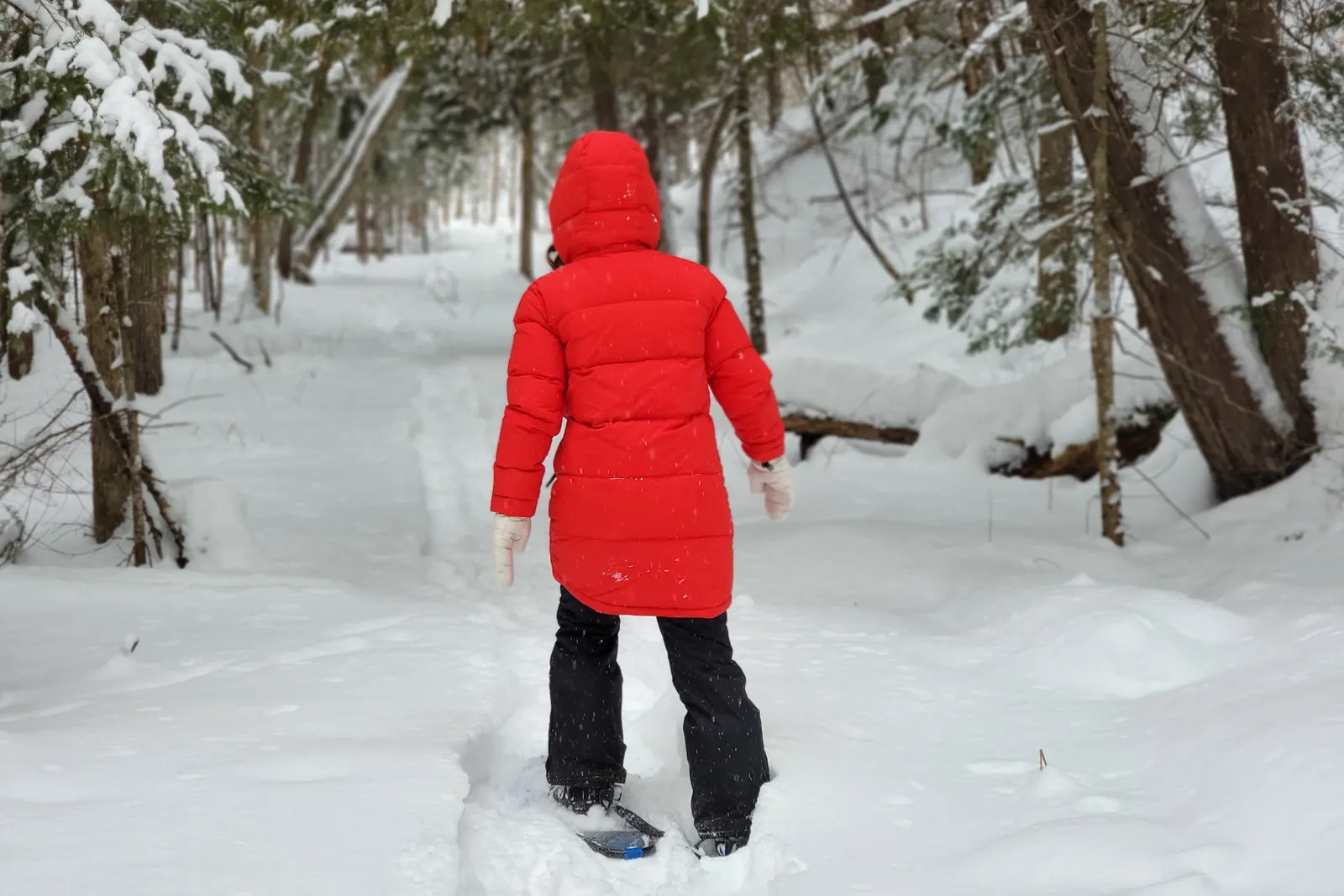
Winter changes the landscape and the rules. Short days, cold and avalanche terrain all call for more planning, but snowshoe trails, groomed ski routes and frozen lakeshores can be some of the quietest places you will ever walk.
Before you go
- Check Avalanche Canada forecasts before entering mountain terrain in winter.
- Plan for daylight: in December, many Canadian locations have well under nine hours.
- Dress in layers and protect fingers, toes and faces from frostbite.
Safety comes first
Our activity notes are general information, not professional instruction. Outdoor conditions change quickly. Check current conditions, closures and advisories with official park and local authorities, and consider lessons or a licensed guide for activities that are new to you.