Fall Colour, Without the Crowds
Peak colour weekends draw big crowds to a few famous lookouts. A little flexibility opens up the rest of the season.
Autumn in central and eastern Canada is a short, spectacular season. Maples turn red and orange, birch and poplar turn gold, and many people try to see it on the same two weekends at the same handful of lookouts. You do not have to.
Colour moves — follow it
Leaves usually change first in the north and at higher elevations, then work south and downhill over several weeks. If the famous spot is at peak, somewhere a few hours north may be just past it, and somewhere south may still be coming in. Several provinces and park agencies publish fall colour reports during the season.
Choose the forest, not the lookout
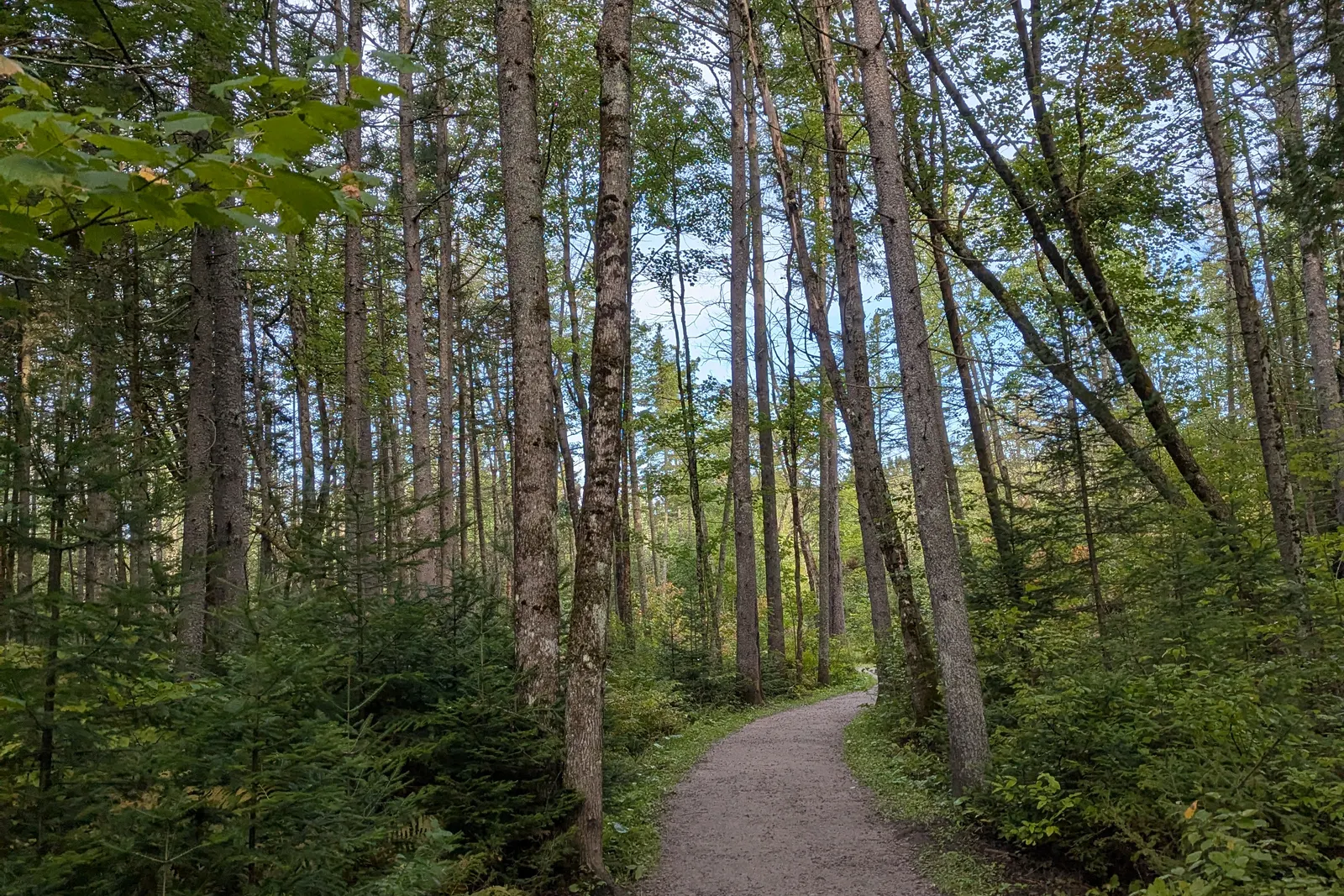
Lookouts are busy because they are easy. A quiet loop through a hardwood forest — with leaves overhead and underfoot — can be just as memorable. Lakeshore paths double the colour with reflections on calm mornings.
Timing tips
- Go on a weekday if you possibly can.
- Arrive early: calm water, soft light and empty parking lots.
- Overcast days make colours look richer, and keep many people at home.
Paddle it
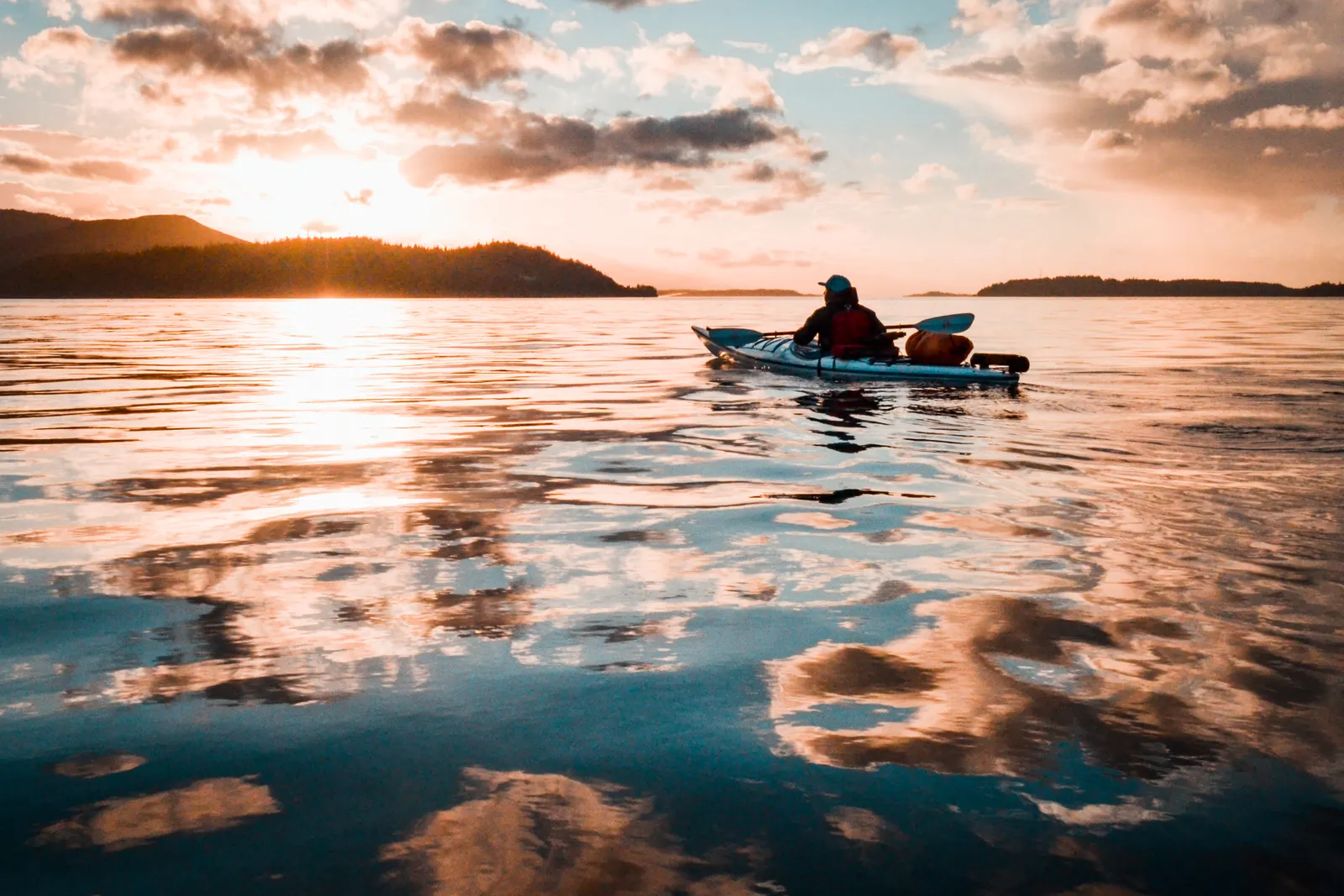
Fall paddling on a small lake is one of the best ways to see the season — just remember the water is getting cold. Wear your PFD, stay close to shore and dress for immersion.
Check hunting seasons. Fall is hunting season in many parts of Canada. Wear bright colours on trails outside protected areas, and check local regulations and notices.
Where to look
- Quebec — the Laurentians and Sépaq parks.
- Ontario — Algonquin, Muskoka and the Niagara Escarpment.
- Nova Scotia — Cape Breton’s highlands, often into October.
Check before you go. This note is general information. Trail, water and weather conditions change, and rules differ between parks. Always confirm current conditions, closures and requirements with the relevant official park or local authority before you travel.