Shoulder Season in the Canadian Rockies: What Changes
Late spring and fall can be the most rewarding times in the mountains — if you plan for lingering snow, shorter days and seasonal closures.
Summer in the Rockies is spectacular and busy. The weeks on either side — roughly May to mid-June and mid-September to October — offer quieter trails, cooler hiking weather and, in fall, golden larches. They also bring a different set of conditions.
Snow lingers higher than you think
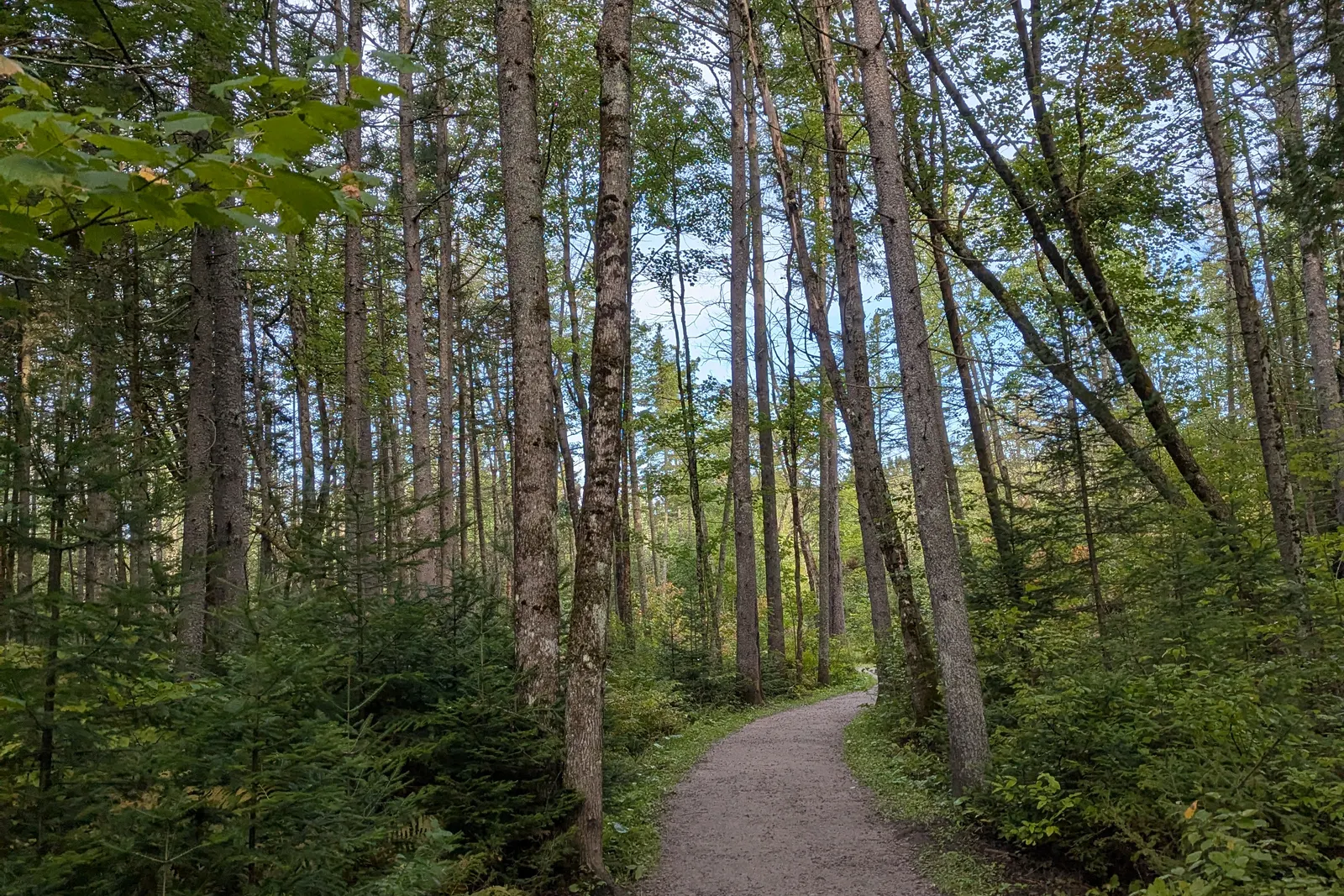
In late spring, valley trails may be clear while anything above treeline is still under snow, sometimes into July. Snow-covered slopes can hide avalanche risk well after the ski season ends. Stick to lower-elevation routes and check trail reports from Parks Canada before choosing a hike.
Daylight shrinks fast in the fall
By October, you have several hours less light than in midsummer. Start early, carry a headlamp and plan to be off the trail before dusk, when temperatures fall quickly.
Roads, shuttles and facilities change
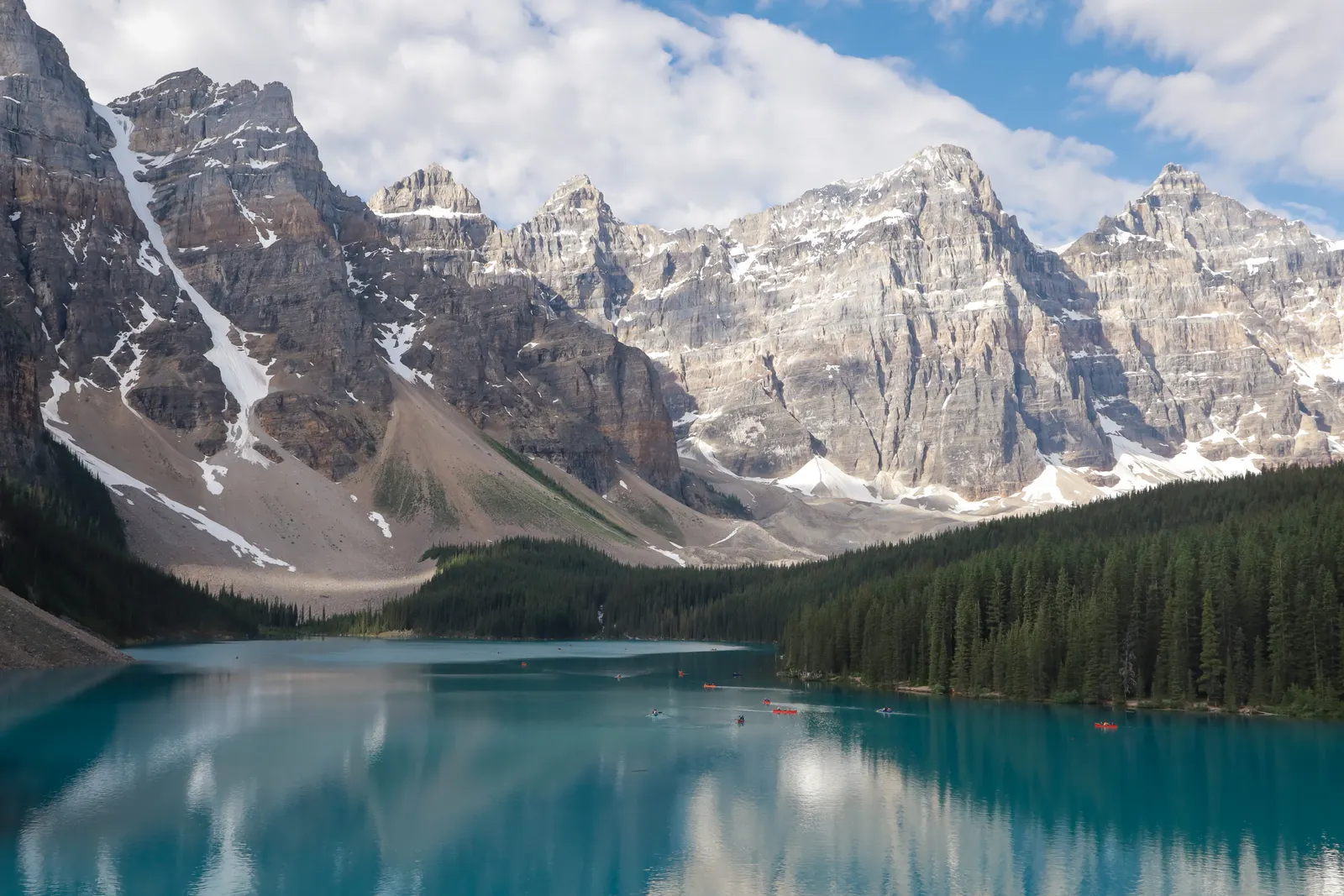
- Some roads and access points are seasonal. The Moraine Lake Road, for example, closes for winter and is no longer open to personal vehicles in season.
- Parks Canada shuttles and regional transit run on seasonal schedules — check dates before you rely on them.
- Campgrounds, day-use areas and some services close or reduce hours outside summer.
Wildlife is active
Spring and fall are busy times for wildlife. Bears forage in valley bottoms in spring, and elk are in their fall rut, when bulls can be aggressive. Keep your distance — Parks Canada advises at least 30 m from elk and 100 m from bears — and watch for posted warnings or group-access restrictions.
Larch season etiquette. The short window when larches turn gold draws big crowds to a few trails. Go midweek, arrive early, use transit where available and never park in no-parking zones along the road.
Pack for winter on any day
Shoulder-season weather can swing from sunshine to snow in an afternoon. Add warm gloves, a hat, an insulated jacket and microspikes for icy trails to your usual day kit.
Our shoulder-season approach
- Choose valley and lakeshore trails first; treat higher routes as a bonus if conditions allow.
- Check Parks Canada trail conditions and, where relevant, Avalanche Canada.
- Build a backup plan for every day — a shorter walk, a scenic drive or a hot drink in town.
Handled with a little care, the quieter months may become your favourite time in the mountains.
Check before you go. This note is general information. Trail, water and weather conditions change, and rules differ between parks. Always confirm current conditions, closures and requirements with the relevant official park or local authority before you travel.