Leave No Trace When the Trail Is Busy
Leave No Trace was built for wild places. On crowded trails, the same seven principles matter even more — here is how they look in practice.
The seven Leave No Trace principles are often taught as backcountry skills. But the trails that see the most visitors — the famous lakeshores and short viewpoint hikes — are where small habits add up fastest.
1. Plan ahead and prepare
Check parking, shuttle and permit rules before you go. Arriving with a plan means fewer cars idling on road shoulders and fewer people squeezed onto one trail at the same time.
2. Travel and camp on durable surfaces
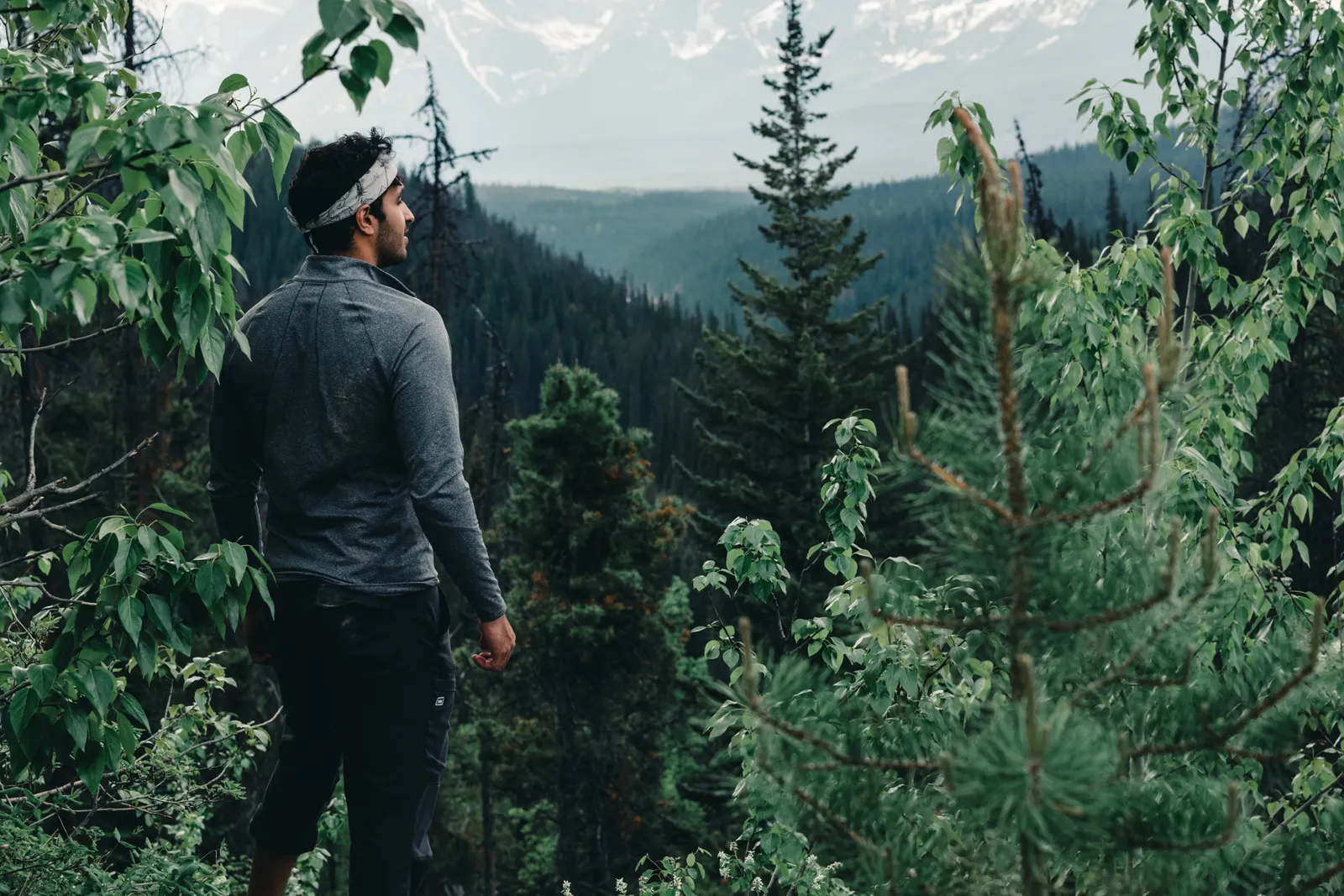
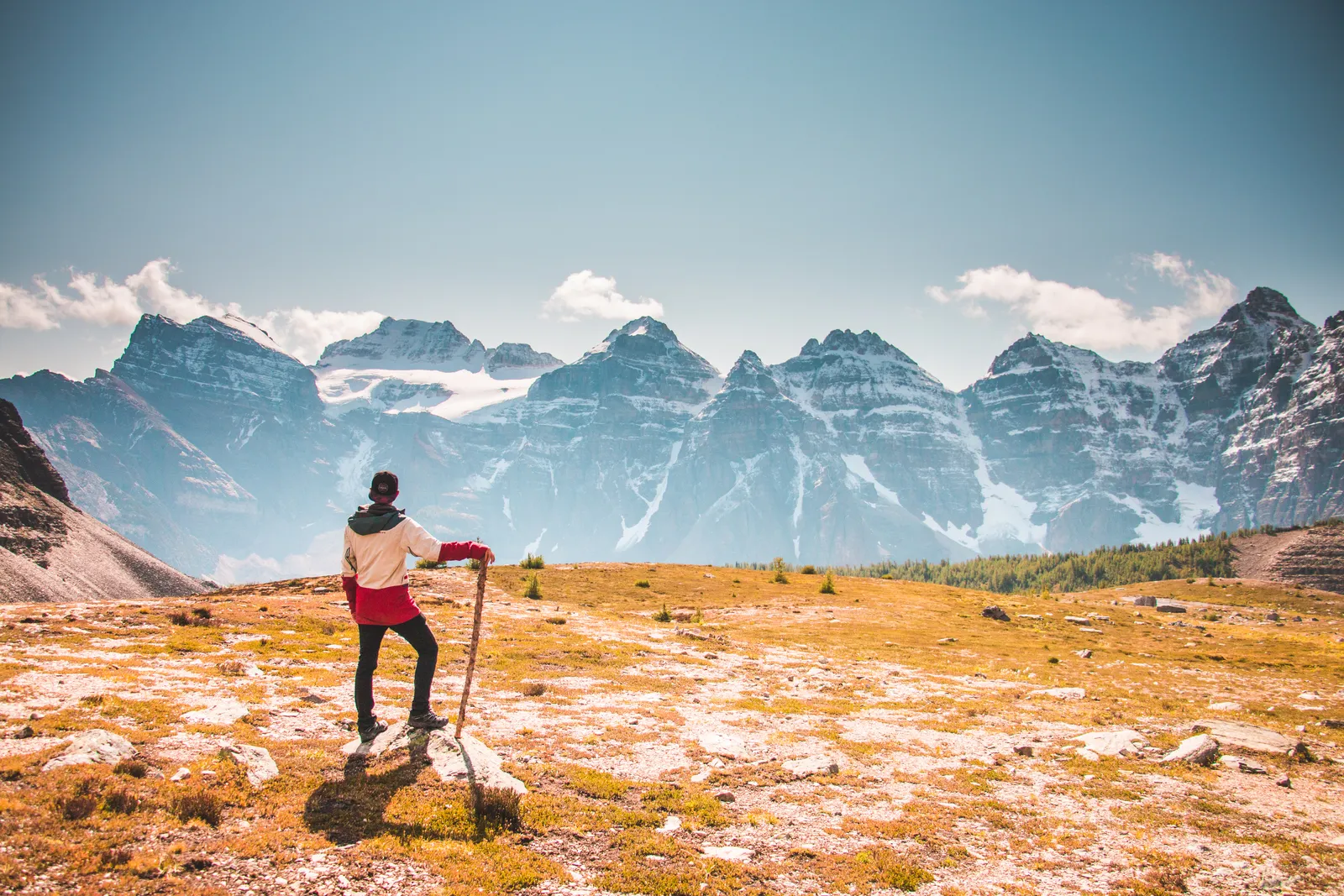
Stay on the trail, even when it is muddy. Stepping around puddles widens trails and damages plants at the edges. At viewpoints, use the established platform or rock rather than trampling vegetation for a better angle.
3. Dispose of waste properly
Pack out everything you bring, including fruit peels and nut shells — they take a long time to break down and can attract wildlife. Use facilities where they exist and learn proper backcountry toilet practices where they do not.
4. Leave what you find
Rocks, flowers, antlers and artifacts belong where they are. In national parks, removing natural or cultural objects is prohibited.
5. Minimise campfire impacts
Use existing fire rings where fires are allowed, keep fires small, and check for fire bans every time. Many parks prohibit gathering firewood; buy it locally to avoid moving invasive insects.
6. Respect wildlife
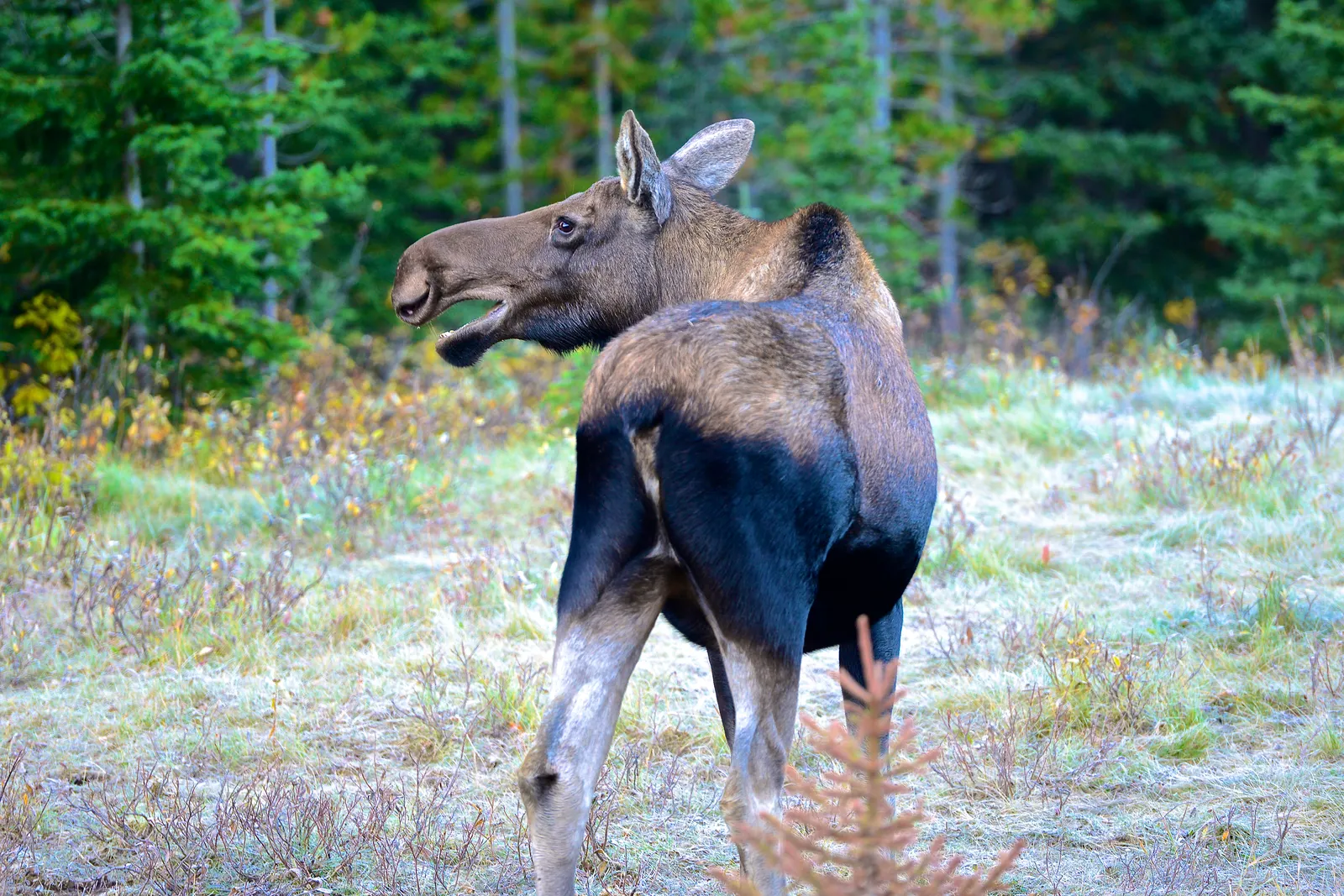
Give animals space, never feed them, and keep dogs leashed where required. On busy roads, resist joining a “wildlife jam” — slow down, stay in your vehicle and keep moving.
7. Be considerate of other visitors
Keep voices and music down, yield on narrow trails and let others enjoy the view too. Quiet is part of what people come for.
The seven principles come from Leave No Trace Canada, which offers free resources and courses for anyone who wants to go further.
Check before you go. This note is general information. Trail, water and weather conditions change, and rules differ between parks. Always confirm current conditions, closures and requirements with the relevant official park or local authority before you travel.