Watching Wildlife Without Disturbing It
The best wildlife encounters are the ones the animal barely notices. Distance, patience and a pair of binoculars make all the difference.
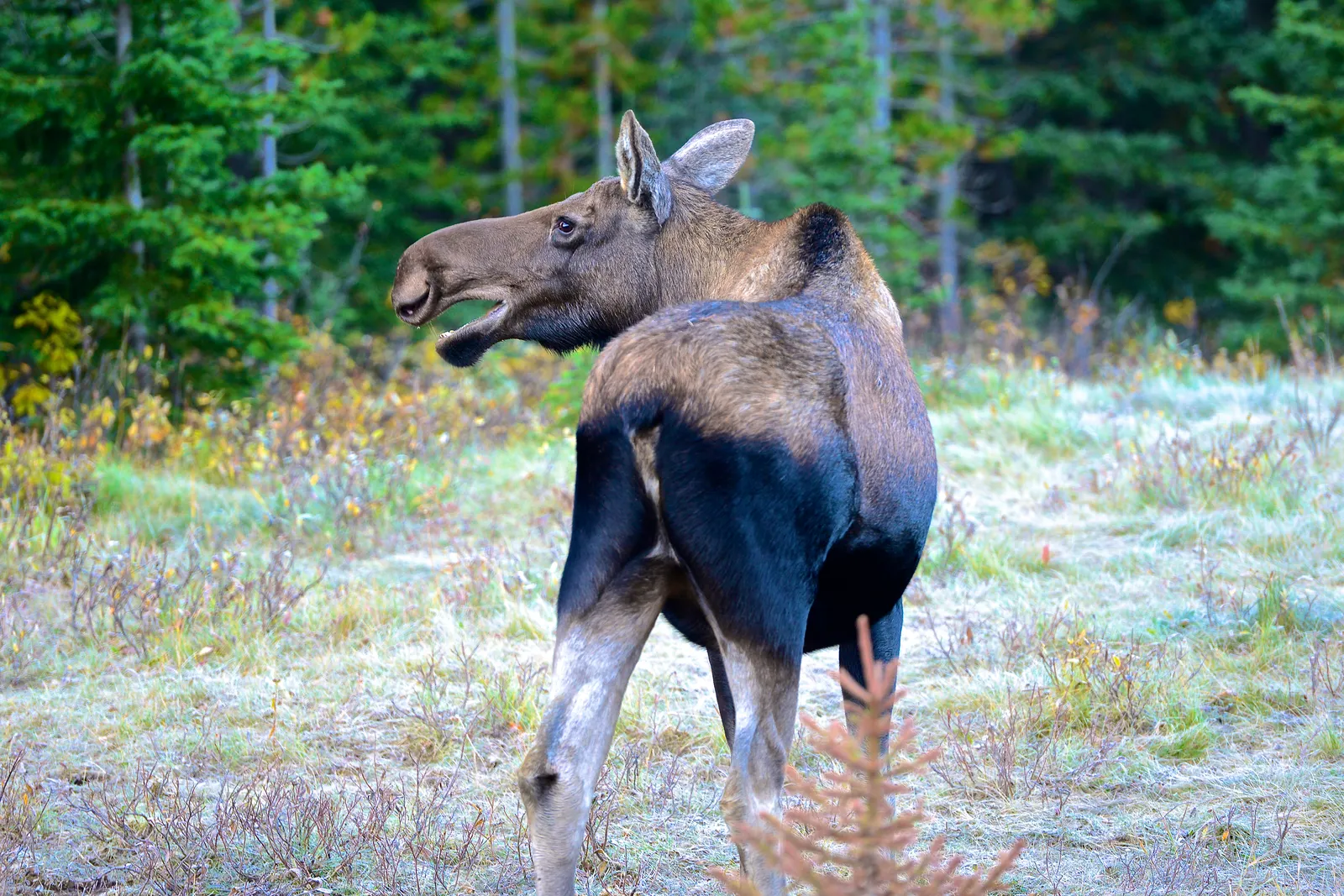
A moose at the edge of a pond, a bear grazing on a distant slope, a whale surfacing offshore — wildlife sightings stay with people for years. Watching well means making sure the moment is good for the animal, too.
Know the distances
Parks Canada advises keeping at least 100 m (about the length of ten buses) from bears, cougars and wolves, and at least 30 m (about three bus lengths) from other large animals such as elk, moose, deer and bighorn sheep. If an animal changes its behaviour because of you, you are too close.
Bring the view closer, not yourself
- Binoculars or a spotting scope let you see detail from a respectful distance.
- A longer camera lens beats walking closer for a photo.
- Drones are prohibited in national parks without a permit, and they stress wildlife.
On the road
Many sightings happen from the car. Slow down, pull over only where it is safe and legal, and stay inside your vehicle. Never stop in the middle of the road, and do not stop at all for bears in places where parks ask you to keep moving.
Never feed wildlife
Feeding — deliberately or by leaving food out — teaches animals to approach people and roads. In national parks it is illegal, and for bears it can end badly for the animal. Store food and garbage as directed, every time.
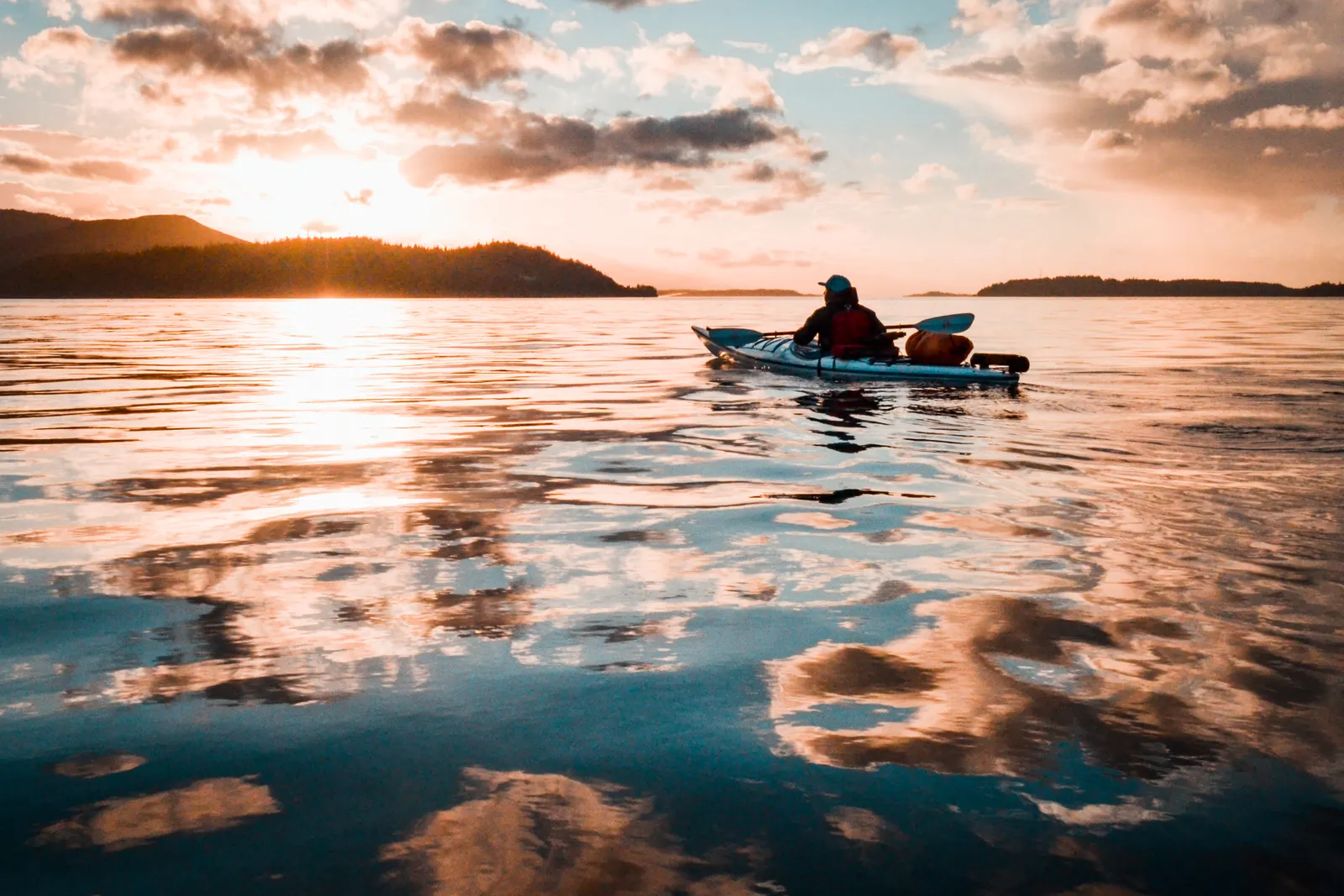
On the water: marine mammals are protected by federal regulations that set minimum approach distances, which vary by species and region. If you take a whale-watching tour, choose an operator that follows these rules.
Timing and patience
Many animals are most active at dawn and dusk. Find a good vantage point, settle in and wait. The animals that arrive on their own terms are often the best sightings of all.
Check before you go. This note is general information. Trail, water and weather conditions change, and rules differ between parks. Always confirm current conditions, closures and requirements with the relevant official park or local authority before you travel.